


- Afhalen na 1 uur in een winkel met voorraad
- Gratis thuislevering in België vanaf € 30
- Ruim aanbod met 7 miljoen producten
- Afhalen na 1 uur in een winkel met voorraad
- Gratis thuislevering in België vanaf € 30
- Ruim aanbod met 7 miljoen producten





€ 43,95
+ 87 punten
Uitvoering
Omschrijving
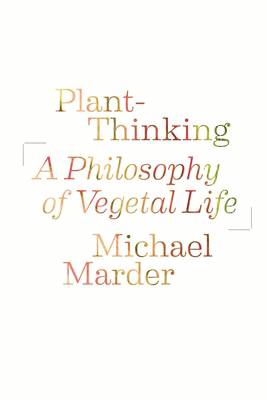
The margins of philosophy are populated by non-human, non-animal living beings, including plants. While contemporary philosophers tend to refrain from raising ontological and ethical concerns with vegetal life, Michael Marder puts this life at the forefront of the current deconstruction of metaphysics. He identifies the existential features of plant behavior and the vegetal heritage of human thought so as to affirm the potential of vegetation to resist the logic of totalization and to exceed the narrow confines of instrumentality. Reconstructing the life of plants "after metaphysics," Marder focuses on their unique temporality, freedom, and material knowledge or wisdom. In his formulation, "plant-thinking" is the non-cognitive, non-ideational, and non-imagistic mode of thinking proper to plants, as much as the process of bringing human thought itself back to its roots and rendering it plantlike.
Specificaties
Betrokkenen
- Auteur(s):
- Uitgeverij:
Inhoud
- Aantal bladzijden:
- 248
- Taal:
- Engels
Eigenschappen
- Productcode (EAN):
- 9780231161251
- Verschijningsdatum:
- 19/02/2013
- Uitvoering:
- Paperback
- Formaat:
- Trade paperback (VS)
- Afmetingen:
- 140 mm x 206 mm
- Gewicht:
- 272 g


Alleen bij Standaard Boekhandel
+ 87 punten op je klantenkaart van Standaard Boekhandel
Cadeau

AANGERADEN


Beoordelingen
We publiceren alleen reviews die voldoen aan de voorwaarden voor reviews. Bekijk onze voorwaarden voor reviews.