


- Afhalen na 1 uur in een winkel met voorraad
- Gratis thuislevering in België vanaf € 30
- Ruim aanbod met 7 miljoen producten
- Afhalen na 1 uur in een winkel met voorraad
- Gratis thuislevering in België vanaf € 30
- Ruim aanbod met 7 miljoen producten





€ 133,95
+ 267 punten
Eenvoudig bestellen
Veilig betalen


Gratis thuislevering vanaf € 30 (via bpost)
Gratis levering in je Standaard Boekhandel
Omschrijving
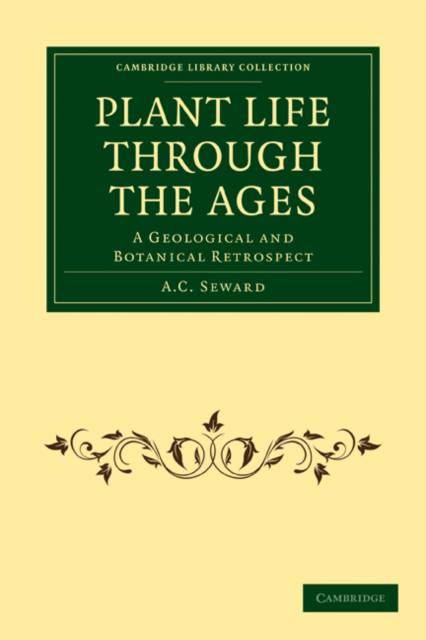
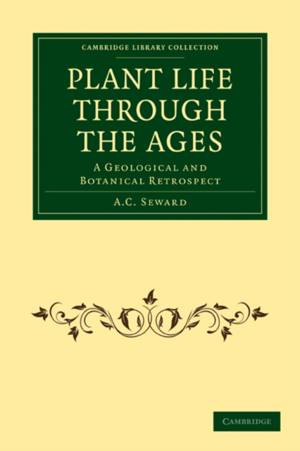
Published in 1931 to complement Seward's magisterial four-volume textbook Fossil Plants, this book is a digest of his earlier detailed study, written for a non-specialist audience as an introduction to the field of palaeobotany. Seward begins by describing the basics of geology and palaeobotany in order to explain how the interpretation of fossilised plant remains found in rocks can shed light on the natural world of prehistoric times. He then covers geological periods in chronological sequence, from the Pre-Cambrian to the Quaternary. Throughout, he emphasises the fragmentary nature of the evidence and the difficulties in extrapolating from the surviving fossil record, but he also explains the great discoveries made in the field and how they came about. The accompanying drawings give an impression of the likely combinations of plants found in each period, allowing the reader to visualise the different landscapes evoked in Seward's engaging prose.
Specificaties
Betrokkenen
- Auteur(s):
- Uitgeverij:
Inhoud
- Aantal bladzijden:
- 630
- Taal:
- Engels
- Reeks:
Eigenschappen
- Productcode (EAN):
- 9781108016001
- Verschijningsdatum:
- 31/10/2010
- Uitvoering:
- Paperback
- Formaat:
- Trade paperback (VS)
- Afmetingen:
- 152 mm x 229 mm
- Gewicht:
- 911 g


Alleen bij Standaard Boekhandel
+ 267 punten op je klantenkaart van Standaard Boekhandel
CADEAU

AANGERADEN


Beoordelingen
We publiceren alleen reviews die voldoen aan de voorwaarden voor reviews. Bekijk onze voorwaarden voor reviews.