



- Afhalen na 1 uur in een winkel met voorraad
- In januari gratis thuislevering in België
- Ruim aanbod met 7 miljoen producten
- Afhalen na 1 uur in een winkel met voorraad
- In januari gratis thuislevering in België
- Ruim aanbod met 7 miljoen producten




€ 185,45
+ 370 punten
Omschrijving
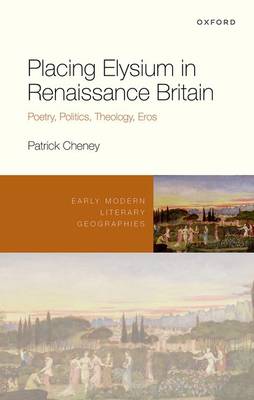
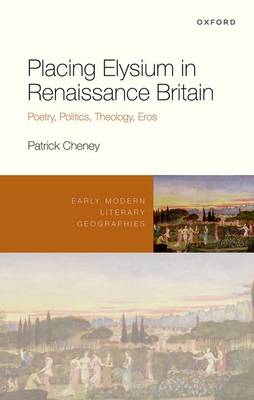
Placing Elysium in Renaissance Britain: Poetry, Politics, Theology, Eros is the first study of Elysium as a place in English Renaissance culture. The absence of such a study in the fields of literature and geography is surprising: from its captivating origin in the oceanic margins of Homer's Odyssey to its presence in the Eden of Milton's Paradise Lost, Elysium is a destination to be desired: it is the land of the blessed. As such, Elysium becomes a geographical site for an author's most valued space. In Britannia, Camden provides leadership for this project by citing Plutarch as locating the blessed place in Britain. Following Camden, Spenser centralizes the idea of Britain as Elysium. Subsequently, English authors make the Elysian place the site of a liberating sublimity as the height of artistic renown. This authorial template becomes the site for literary inflections in the realms of politics, theology, and eros. However, Kyd and Marlowe darken the Spenserian project, recalling Virgil's geographical positioning of Elysium next to Hell. In turn, Drayton, Chapman, and Marston champion the Spenserian idea of Britain as Elysium. As this conversation suggests, English authors make Elysium the central place of the 'Renaissance' period concept, and they do so in the nation-building genre of epic. In The Muses Elizium, Drayton crowns the Spenserian tradition by making the blessed place the monomyth of national poetry. At the centre of the monomyth is the cherished ideal of Renaissance culture: the Elysian capacity of the human to become divine.
Specificaties
Betrokkenen
- Auteur(s):
- Uitgeverij:
Inhoud
- Aantal bladzijden:
- 352
- Taal:
- Engels
- Reeks:
Eigenschappen
- Productcode (EAN):
- 9780198871200
- Verschijningsdatum:
- 2/01/2026
- Uitvoering:
- Hardcover
- Formaat:
- Genaaid
- Afmetingen:
- 144 mm x 223 mm
- Gewicht:
- 625 g


Alleen bij Standaard Boekhandel
+ 370 punten op je klantenkaart van Standaard Boekhandel
Cadeau

AANGERADEN


Beoordelingen
We publiceren alleen reviews die voldoen aan de voorwaarden voor reviews. Bekijk onze voorwaarden voor reviews.