


- Afhalen na 1 uur in een winkel met voorraad
- Gratis thuislevering in België vanaf € 30
- Ruim aanbod met 7 miljoen producten
- Afhalen na 1 uur in een winkel met voorraad
- Gratis thuislevering in België vanaf € 30
- Ruim aanbod met 7 miljoen producten





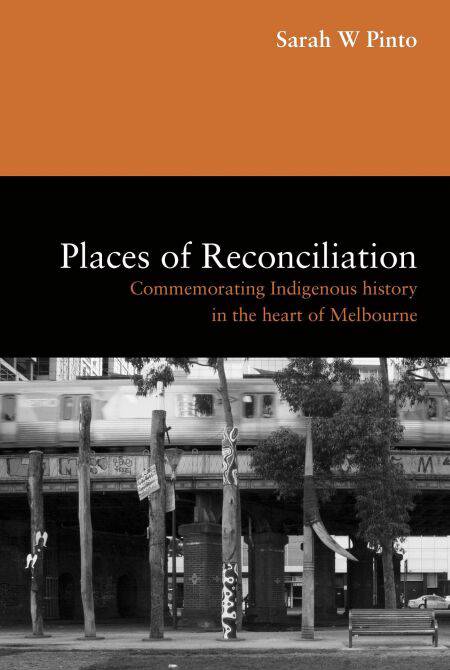
Places of Reconciliation E-BOOK
Commemorating Indigenous History in the Heart of Melbourne
Sarah W Pinto
E-book | Engels
€ 20,99
+ 20 punten
Uitvoering
Omschrijving
Central Melbourne is filled with markers of the city's pasts. At its heart are the stories of exploration and settlement, of the so-called first to arrive, and of the building of a colony and nation. But when it comes to its Indigenous pasts, the centre of Melbourne has long been a place of silence. Over the last two decades, Indigenous histories and peoples have been brought into central Melbourne's commemorative landscapes. Memorials, commemorative markers, namings and public artworks have all been used to remember the city's Indigenous pasts. Places of Reconciliation shows how they came to be part of the city, and the ways in which they have challenged the erasures of its Indigenous histories. Sarah Pinto considers the kind of places that have been made and unmade by these commemorations, and concludes that the twenty-first century settler city does not give up its commemorative landscapes easily.
Specificaties
Betrokkenen
- Auteur(s):
- Uitgeverij:
Inhoud
- Aantal bladzijden:
- 184
- Taal:
- Engels
Eigenschappen
- Productcode (EAN):
- 9780522872347
- Verschijningsdatum:
- 31/05/2021
- Uitvoering:
- E-book
- Beveiligd met:
- Adobe DRM
- Formaat:
- ePub


Alleen bij Standaard Boekhandel
+ 20 punten op je klantenkaart van Standaard Boekhandel
AANGERADEN


Beoordelingen
We publiceren alleen reviews die voldoen aan de voorwaarden voor reviews. Bekijk onze voorwaarden voor reviews.