



Bedankt voor het vertrouwen het afgelopen jaar! Om jou te bedanken bieden we GRATIS verzending (in België) aan op alles gedurende de hele maand januari.
- Afhalen na 1 uur in een winkel met voorraad
- In januari gratis thuislevering in België
- Ruim aanbod met 7 miljoen producten
Bedankt voor het vertrouwen het afgelopen jaar! Om jou te bedanken bieden we GRATIS verzending (in België) aan op alles gedurende de hele maand januari.
- Afhalen na 1 uur in een winkel met voorraad
- In januari gratis thuislevering in België
- Ruim aanbod met 7 miljoen producten





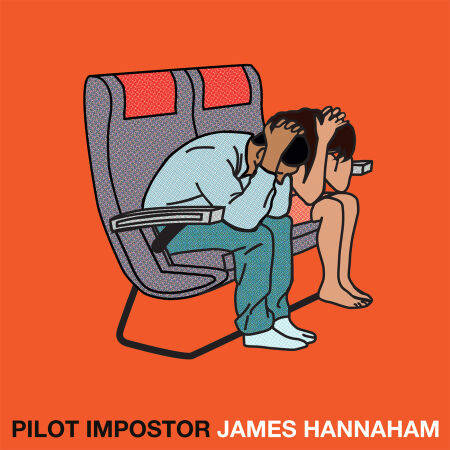
Omschrijving
A startling, shape-shifting book of prose and images that draws on an unexpected pair of inspirations—the poetry of Fernando Pessoa and the history of air disasters—to investigate con men, identity politics, failures of leadership, the privilege of ineptitude, the slave trade, and the nature of consciousness.
Early in 2017, on a plane from Cape Verde to Lisbon, author and visual artist James Hannaham started reading Pessoa & Co., Richard Zenith's English translation of Fernando Pessoa's selected poetry. This was two months after Trump's presidential election; like many people, ideas about unfitness for service and failures of leadership were on his mind. Imagine his consternation upon discovering the first line of the first poem in the book: "I've never kept sheep/But it's as if I did."
The Portuguese, Hannaham had been musing, were responsible for jump-starting colonialism and the slave trade. Pessoa published one book in Portuguese in his lifetime, Mensagem, which consisted of paeans to European explorers. He also invented about seventy-five alter egos, each with a unique name and style, long before aliases and avatars became a feature of modern culture.
Hannaham felt compelled to engage with Pessoa's work. Once in Lisbon, he began a practice of reading a poem from Zenith's anthology and responding in whatever mode seemed to click. Even before his trip, however, he had become fascinated by Air Disasters, a TV show that tells the story of different plane crashes in each of its episodes. These stories—as well as the textures and squares of the city he was visiting—began to resonate with his concerns and Pessoa’s, and make their way into the book.
Through its inspirations and juxtapositions and its agile shifts of voice and form—from meme to fiction to aphorism to screenshot to lyric—the book leads us to reckon with the most universal questions. What is the self? What holds the self—multiple, fragmented, performative, increasingly algorithmically controlled, constantly under threat of death—intact and aloft?
Early in 2017, on a plane from Cape Verde to Lisbon, author and visual artist James Hannaham started reading Pessoa & Co., Richard Zenith's English translation of Fernando Pessoa's selected poetry. This was two months after Trump's presidential election; like many people, ideas about unfitness for service and failures of leadership were on his mind. Imagine his consternation upon discovering the first line of the first poem in the book: "I've never kept sheep/But it's as if I did."
The Portuguese, Hannaham had been musing, were responsible for jump-starting colonialism and the slave trade. Pessoa published one book in Portuguese in his lifetime, Mensagem, which consisted of paeans to European explorers. He also invented about seventy-five alter egos, each with a unique name and style, long before aliases and avatars became a feature of modern culture.
Hannaham felt compelled to engage with Pessoa's work. Once in Lisbon, he began a practice of reading a poem from Zenith's anthology and responding in whatever mode seemed to click. Even before his trip, however, he had become fascinated by Air Disasters, a TV show that tells the story of different plane crashes in each of its episodes. These stories—as well as the textures and squares of the city he was visiting—began to resonate with his concerns and Pessoa’s, and make their way into the book.
Through its inspirations and juxtapositions and its agile shifts of voice and form—from meme to fiction to aphorism to screenshot to lyric—the book leads us to reckon with the most universal questions. What is the self? What holds the self—multiple, fragmented, performative, increasingly algorithmically controlled, constantly under threat of death—intact and aloft?
Specificaties
Betrokkenen
- Auteur(s):
- Uitgeverij:
Inhoud
- Aantal bladzijden:
- 208
- Taal:
- Engels
Eigenschappen
- Productcode (EAN):
- 9781593767020
- Verschijningsdatum:
- 20/12/2021
- Uitvoering:
- E-book
- Beveiligd met:
- Adobe DRM
- Formaat:
- ePub


Alleen bij Standaard Boekhandel
+ 25 punten op je klantenkaart van Standaard Boekhandel
SOLDEN


Beoordelingen
We publiceren alleen reviews die voldoen aan de voorwaarden voor reviews. Bekijk onze voorwaarden voor reviews.