


- Afhalen na 1 uur in een winkel met voorraad
- Gratis thuislevering in België vanaf € 30
- Ruim aanbod met 7 miljoen producten
- Afhalen na 1 uur in een winkel met voorraad
- Gratis thuislevering in België vanaf € 30
- Ruim aanbod met 7 miljoen producten





€ 172,45
+ 344 punten
Omschrijving
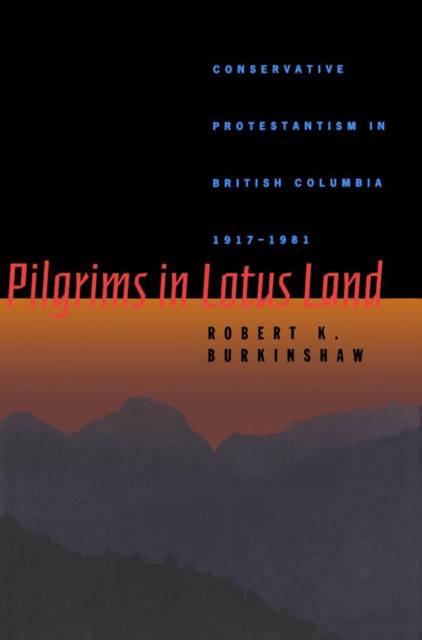
Pilgrims in Lotus Land explores the remarkable growth of evangelicalism in an intensely secular province during the twentieth century. Robert Burkinshaw explains why evangelicalism held such appeal, paying particular attention to the distinctive characteristics of both BC society and the evangelical constituency that contributed to this anomalous trend.
Burkinshaw traces the growth of conservative Protestantism in British Columbia from its clashes with liberal Protestants in the early twentieth century; through the post-World War II years when a bewildering variety of smaller groups, including Baptist and Pentecostal denominations as well as Mennonite, Reformed, and Evangelical Free churches, became important; to the 1970s when the majority of worshipping Protestants belonged to evangelical groups. He examines the factors that made evangelicalism more adaptable to changes in the geographic, ethnic, and social distribution of the province's population, and argues that while the evangelical movement in BC was influenced by American fundamentalism it was not simply an extension of the American campaign. He also examines the impact of evangelicals on provincial politics, most particularly their role in the rise of the Social Credit Party. Burkinshaw provides a wealth of new information on the phenomenon of twentieth-century evangelicalism and challenges us to rethink the nature of religious conservatism.Specificaties
Betrokkenen
- Auteur(s):
- Uitgeverij:
Inhoud
- Aantal bladzijden:
- 376
- Taal:
- Engels
- Reeks:
- Reeksnummer:
- nr. 18
Eigenschappen
- Productcode (EAN):
- 9780773512863
- Verschijningsdatum:
- 5/05/1995
- Uitvoering:
- Hardcover
- Formaat:
- Genaaid
- Afmetingen:
- 152 mm x 229 mm
- Gewicht:
- 653 g



Alleen bij Standaard Boekhandel
+ 344 punten op je klantenkaart van Standaard Boekhandel
Cadeau

AANGERADEN


Beoordelingen
We publiceren alleen reviews die voldoen aan de voorwaarden voor reviews. Bekijk onze voorwaarden voor reviews.