


- Afhalen na 1 uur in een winkel met voorraad
- Gratis thuislevering in België vanaf € 30
- Ruim aanbod met 7 miljoen producten
- Afhalen na 1 uur in een winkel met voorraad
- Gratis thuislevering in België vanaf € 30
- Ruim aanbod met 7 miljoen producten





€ 34,45
+ 68 punten
Omschrijving
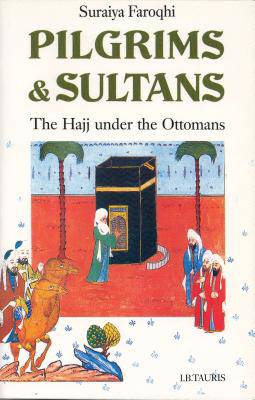
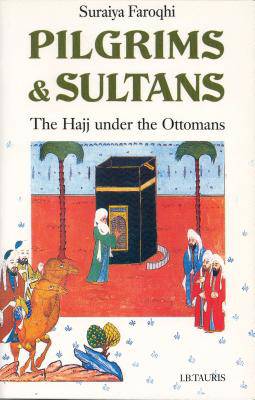
The pilgrimage to Mecca - the hajj - is a major aspect of the Islamic religion, yet little has been written about its history or of the conditions under which thousands of pilgrims from far flung regions of the Islamic world travelled to the heart of the Arabian peninsula. This pioneering book concentrates on the pilgrimage in the sixteenth and seventeenth centuries, when Mecca was ruled by the Ottoman sultans. At a time when, for the majority of the faithful, the journey was long, arduous and fraught with danger, the provision of food, water, shelter and protection for pilgrims presented a major challenge to the provincial governors of the vast Ottoman Empire. Drawing on rich documentation left by Ottoman administrators and on the accounts of contemporary pilgrims, Suraiya Faroqhi here sheds new light on the trials and experiences of everyday life for those undertaking the hajj.
Specificaties
Betrokkenen
- Auteur(s):
- Uitgeverij:
Inhoud
- Aantal bladzijden:
- 264
- Taal:
- Engels
- Reeks:
Eigenschappen
- Productcode (EAN):
- 9781780767710
- Verschijningsdatum:
- 27/03/2014
- Uitvoering:
- Paperback
- Formaat:
- Trade paperback (VS)
- Afmetingen:
- 137 mm x 213 mm
- Gewicht:
- 294 g


Alleen bij Standaard Boekhandel
+ 68 punten op je klantenkaart van Standaard Boekhandel
Cadeau

AANGERADEN


Beoordelingen
We publiceren alleen reviews die voldoen aan de voorwaarden voor reviews. Bekijk onze voorwaarden voor reviews.