


- Afhalen na 1 uur in een winkel met voorraad
- Gratis thuislevering in België vanaf € 30
- Ruim aanbod met 7 miljoen producten
- Afhalen na 1 uur in een winkel met voorraad
- Gratis thuislevering in België vanaf € 30
- Ruim aanbod met 7 miljoen producten





€ 84,80
+ 169 punten
Omschrijving
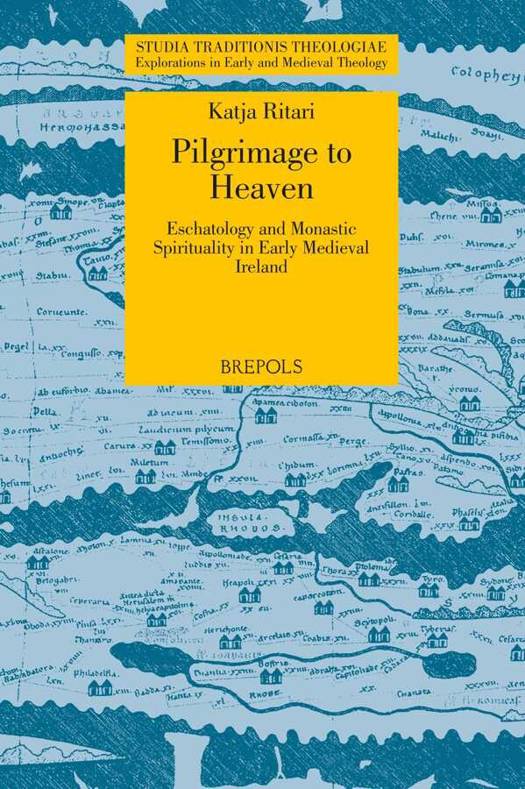
This book focuses on the expectation of the Judgment and the afterlife in early medieval Irish monastic spirituality. It has been claimed that in the Early Middle Ages, Christianity became for the first time a truly otherworldly religion and in monastic spirituality this otherworldly perspective gained an especially prominent role. In this book, Dr. Ritari explores the role of this eschatological expectation in various sources, including hagiography produced by the monastic familia of St. Columba, the sermons of St. Columbanus, the Navigatio sancti Brendani portraying St. Brendan's sea voyages, and the vision of St. Adomnan about Heaven and Hell. One recurrent image used by the Irish authors to portray the Christian path to Heaven is the image of peregrinatio, a life-long pilgrimage. Viewing human life in this perspective inevitably influenced man's relationship with the world making the monastic into a pilgrim who is not supposed to get attached to anything encountered on the way but to keep constantly in mind the end of the journey.
Specificaties
Betrokkenen
- Auteur(s):
- Uitgeverij:
Inhoud
- Aantal bladzijden:
- 223
- Taal:
- Engels
- Reeks:
- Reeksnummer:
- nr. 23
Eigenschappen
- Productcode (EAN):
- 9782503565392
- Verschijningsdatum:
- 19/08/2016
- Uitvoering:
- Paperback
- Formaat:
- Trade paperback (VS)
- Afmetingen:
- 152 mm x 231 mm
- Gewicht:
- 362 g


Alleen bij Standaard Boekhandel
+ 169 punten op je klantenkaart van Standaard Boekhandel
Cadeau

AANGERADEN


Beoordelingen
We publiceren alleen reviews die voldoen aan de voorwaarden voor reviews. Bekijk onze voorwaarden voor reviews.