


- Afhalen na 1 uur in een winkel met voorraad
- Gratis thuislevering in België vanaf € 30
- Ruim aanbod met 7 miljoen producten
- Afhalen na 1 uur in een winkel met voorraad
- Gratis thuislevering in België vanaf € 30
- Ruim aanbod met 7 miljoen producten





€ 74,20
+ 148 punten
Eenvoudig bestellen
Veilig betalen


Gratis thuislevering vanaf € 30 (via bpost)
Gratis levering in je Standaard Boekhandel
Omschrijving
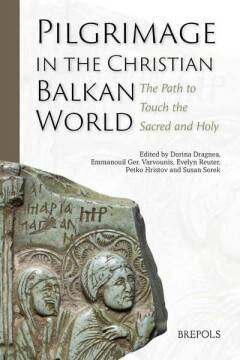
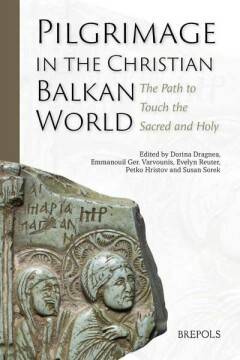
The purpose of this volume is to explore, re-interpret and re-contextualise the various natures of practices performed by the Orthodox and Catholic pilgrims in Balkan countries in their devotional 'path to touch the sacred and holy' through the prism of pilgrimage contents, and their articulating, using, and handling strategies. Inter- and transdisciplinary perspectives constitute a strong point for exploring the essence of this collective practice of worship, which is theoretically and critically interpreted, and chronologically and diachronically analysed. Therefore, the various visions of the authors, formed on the basis of qualitative and critical analysis of primary (ethnographic and folkloric data from field interviews, archive documents, samples, etc.) and secondary sources, come to fill a gap in research on pilgrimage in southeast Europe, and especially on pilgrimage practices in Eastern Orthodoxy. Particularly, the ritual practices, sacred places in contemporary Balkan societies, religious folklore, divine intervention stories, miracle-working icons, relics and reliquaries as part of the structure of pilgrimage are discussed. The authors explore the context in which the Christian shrines in the Balkans are spaces where the ethnic and denominational patterns in pilgrimage are revealed openly on multiple levels; they delve into how the correlative effects between politics and religion are manifested. In this volume which is the result of a project initiated by the Balkan History Association, the authors focus on theoretical analysis and stressing of the historically and contemporary behaviour performed by the Christian pilgrims, highlighting the fact that the motivations for going to the sacred places can weave and transcend, from the purpose of seeking and obtaining Divine help to leisure, religious/faith tourism, etc.
Specificaties
Betrokkenen
- Auteur(s):
- Uitgeverij:
Inhoud
- Aantal bladzijden:
- 300
- Taal:
- Engels
- Reeks:
Eigenschappen
- Productcode (EAN):
- 9782503603087
- Verschijningsdatum:
- 13/04/2023
- Uitvoering:
- Hardcover
- Formaat:
- Genaaid
- Afmetingen:
- 156 mm x 234 mm
- Gewicht:
- 784 g


Alleen bij Standaard Boekhandel
+ 148 punten op je klantenkaart van Standaard Boekhandel
CADEAU

AANGERADEN


Beoordelingen
We publiceren alleen reviews die voldoen aan de voorwaarden voor reviews. Bekijk onze voorwaarden voor reviews.