


- Afhalen na 1 uur in een winkel met voorraad
- Gratis thuislevering in België vanaf € 30
- Ruim aanbod met 7 miljoen producten
- Afhalen na 1 uur in een winkel met voorraad
- Gratis thuislevering in België vanaf € 30
- Ruim aanbod met 7 miljoen producten




Omschrijving
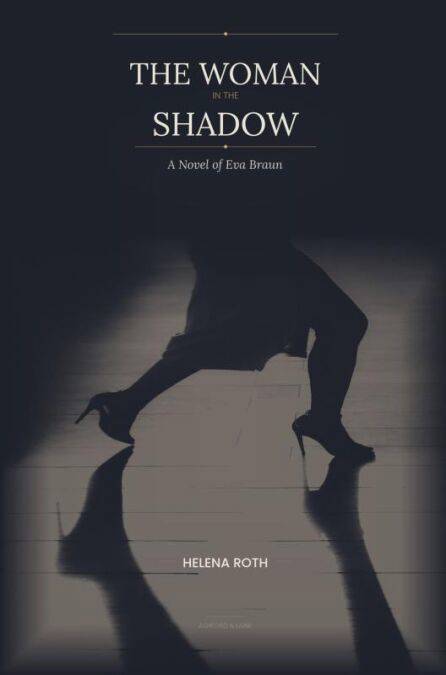
Munich, October 1929. A bell rings in a photography studio. A seventeen-year-old shop girl looks down from a stepladder and sees a man in a trench coat with pale blue eyes and a strange little moustache. He looks at her legs before he looks at her face. He does not tell her his name. He does not ask for hers.
Sixteen years later, she will die beside him in a concrete bunker beneath the burning ruins of Berlin, having swallowed a capsule of cyanide in a blue silk dress she chose that morning because it was the only thing she could still control.
Her name was Eva Braun. For more than a decade, she was the most invisible woman in Germany — the secret companion of Adolf Hitler, hidden from the public, excluded from official events, forbidden to exist in any photograph or newsreel. She lived in a gilded cage on a mountaintop, surrounded by men who were planning the murder of millions, and she chose — deliberately, persistently, with a stubbornness that was both her greatest strength and her most unforgivable flaw — not to see.
Sixteen years later, she will die beside him in a concrete bunker beneath the burning ruins of Berlin, having swallowed a capsule of cyanide in a blue silk dress she chose that morning because it was the only thing she could still control.
Her name was Eva Braun. For more than a decade, she was the most invisible woman in Germany — the secret companion of Adolf Hitler, hidden from the public, excluded from official events, forbidden to exist in any photograph or newsreel. She lived in a gilded cage on a mountaintop, surrounded by men who were planning the murder of millions, and she chose — deliberately, persistently, with a stubbornness that was both her greatest strength and her most unforgivable flaw — not to see.
Specificaties
Betrokkenen
- Auteur(s):
- Uitgeverij:
Inhoud
- Aantal bladzijden:
- 158
- Taal:
- Nederlands
Eigenschappen
- Productcode (EAN):
- 9789464853827
- Verschijningsdatum:
- 12/06/2024
- Uitvoering:
- E-book
- Beveiligd met:
- Digital watermarking
- Formaat:
- ePub


Alleen bij Standaard Boekhandel
+ 6 punten op je klantenkaart van Standaard Boekhandel
AANGERADEN


Beoordelingen
We publiceren alleen reviews die voldoen aan de voorwaarden voor reviews. Bekijk onze voorwaarden voor reviews.