


- Afhalen na 1 uur in een winkel met voorraad
- Gratis thuislevering in België vanaf € 30
- Ruim aanbod met 7 miljoen producten
- Afhalen na 1 uur in een winkel met voorraad
- Gratis thuislevering in België vanaf € 30
- Ruim aanbod met 7 miljoen producten





€ 116,60
+ 233 punten
Omschrijving
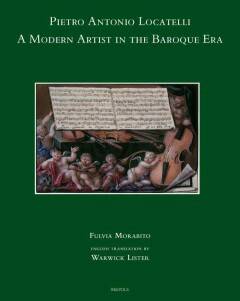
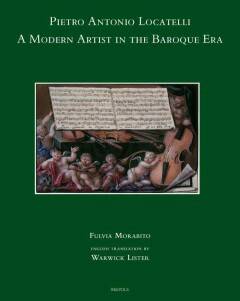
Pietro Antonio Locatelli (Bergamo 1693 - Amsterdam 1764) was a composer and violin virtuoso. After his period of education in Rome he became an itinerant virtuoso; in 1729 he settled in Amsterdam where he dedicated himself to the publication of his nine Opus numbers - including the masterpiece L'Arte del violino Op. 3. He also pursued concert activity, the trading of books and prints, teaching, and collaborated with the publisher Le Cene. This allowed Locatelli to pursue a life sheltered by the court environment that lay at the heart of the contemporary musical world. As an entrepreneur and an early incarnation of the nineteenth-century virtuoso, however, Locatelli also cuts a strikingly 'modern' figure. The study of Locatelli's life and works opens up a panorama onto the musical world of the late-Baroque period. The in-depth investigation of the reception of Locatelli's works allows us to understand the artistic legacy of the musician, highlighting its influence on the French and Italian violin traditions: Paganini was among the most significant beneficiaries of the Locatelli tradition. The volume also includes an English translation of the inventory of the effects catalogued following Locatelli's death - an exegetical instrument of fundamental importance, known thus far only through Dutch and Italian translations. The book also includes an iconographic section, printed in colour.
Specificaties
Betrokkenen
- Auteur(s):
- Uitgeverij:
Inhoud
- Aantal bladzijden:
- 287
- Taal:
- Engels
- Reeks:
- Reeksnummer:
- nr. 11
Eigenschappen
- Productcode (EAN):
- 9782503580173
- Verschijningsdatum:
- 19/03/2018
- Uitvoering:
- Hardcover
- Formaat:
- Genaaid
- Afmetingen:
- 213 mm x 269 mm
- Gewicht:
- 952 g


Alleen bij Standaard Boekhandel
+ 233 punten op je klantenkaart van Standaard Boekhandel
Cadeau

AANGERADEN


Beoordelingen
We publiceren alleen reviews die voldoen aan de voorwaarden voor reviews. Bekijk onze voorwaarden voor reviews.