


- Afhalen na 1 uur in een winkel met voorraad
- Gratis thuislevering in België vanaf € 30
- Ruim aanbod met 7 miljoen producten
- Afhalen na 1 uur in een winkel met voorraad
- Gratis thuislevering in België vanaf € 30
- Ruim aanbod met 7 miljoen producten



Omschrijving
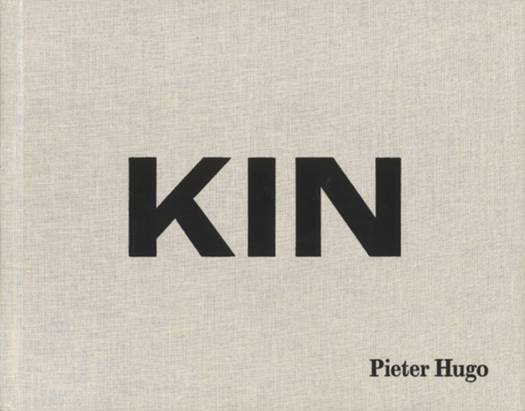
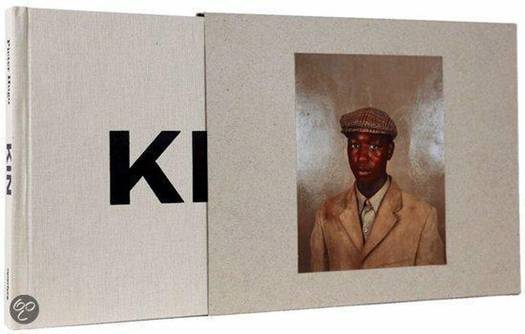
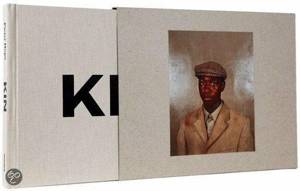
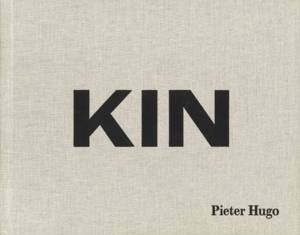
Pieter Hugo (born 1976) has garnered critical acclaim for his series of portraits and landscapes, each of which explores a facet of his native South Africa and neighboring African countries, including the film sets of Nigeria's Nollywood; toxic garbage dumps in Ghana; sites of mass executions in Rwanda; as well as albinos, the Hyena Men of Nigeria, honey collectors and garbage scavengers. "Kin," a collection of images shot throughout South Africa over the past decade, focuses instead on the photographer's family, his community and himself. Writer John Mahoney characterizes it as the artist's first major work to focus exclusively on his personal experience in his native South Africa, a place defined by centuries of political, cultural and racial tensions and contradictions. Hugo describes his series as "an engagement with the failure of the South African colonial experiment and my sense of being 'colonial driftwood.' South Africa is such a fractured, schizophrenic, wounded and problematic place ... How does one take responsibility for history, and to what extent should one try? How do you raise a family in such a conflicted society?" This work attempts to address these questions and reflect on the nature of conflicting personal and collective narratives.
Specificaties
Betrokkenen
- Auteur(s):
- Uitgeverij:
Inhoud
- Aantal bladzijden:
- 164
- Taal:
- Engels
Eigenschappen
- Productcode (EAN):
- 9781597113014
- Verschijningsdatum:
- 24/02/2015
- Uitvoering:
- Hardcover
- Formaat:
- Genaaid
- Afmetingen:
- 305 mm x 241 mm
- Gewicht:
- 1156 g


Alleen bij Standaard Boekhandel
+ 125 punten op je klantenkaart van Standaard Boekhandel
Wedstrijd


Beoordelingen
We publiceren alleen reviews die voldoen aan de voorwaarden voor reviews. Bekijk onze voorwaarden voor reviews.