


- Afhalen na 1 uur in een winkel met voorraad
- Gratis thuislevering in België vanaf € 30
- Ruim aanbod met 7 miljoen producten
- Afhalen na 1 uur in een winkel met voorraad
- Gratis thuislevering in België vanaf € 30
- Ruim aanbod met 7 miljoen producten





€ 90,95
+ 181 punten
Eenvoudig bestellen
Veilig betalen


Gratis thuislevering vanaf € 30 (via bpost)
Gratis levering in je Standaard Boekhandel
Omschrijving
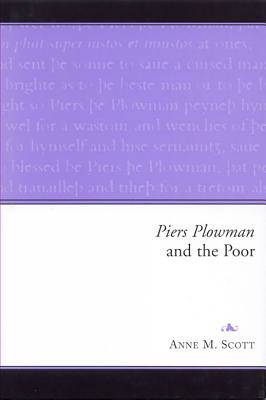
William Langland wrote three distinct versions (A, B, and C) of Piers Plowman. Scribes and early editors produced several more combined versions of A and C. Of the fifty-four more or less complete surviving manuscripts of the poem, seventeen are of the B version, which is now the most widely read, and also the version with the most complex textual history. All the surviving witnesses are full of errors, some the result of incompetence, others the product of sophisticated re-writing. This book looks at this in the context of understanding poverty, which the poem famously addresses. The book should be of interest to scholars in the field of medieval literature in general, and Piers Plowman in particular, as well as to cultural historians of poverty. It surveys the medieval understanding of poverty in its many manifestations, reviews modern historians' research into the experience of poverty and poor relief in the late fourteenth century, and shows, by close readings of Piers Plowman, how Langland both responds to and reflects his contemporary culture and ideology. Contrary to previous scholarship, it suggests that Langland never underestimates the realities of material poverty by offering only religious consolation for the poor. For him, care for the poor is the index of how a society shapes itself ethically. This book's subtle and penetrating account of the moral predicaments of both rich and poor is fully and freshly contextualized within accounts of medieval poor relief. This scholarly, compelling and humane study demonstrates that understanding the historical poor and the various religious and secular attitudes to medieval poverty, are crucially important in deepening a reader's understanding of this complex poem.
Specificaties
Betrokkenen
- Auteur(s):
- Uitgeverij:
Inhoud
- Aantal bladzijden:
- 263
- Taal:
- Engels
Eigenschappen
- Productcode (EAN):
- 9781851827251
- Verschijningsdatum:
- 1/04/2004
- Uitvoering:
- Hardcover
- Formaat:
- Genaaid
- Afmetingen:
- 152 mm x 229 mm
- Gewicht:
- 553 g


Alleen bij Standaard Boekhandel
+ 181 punten op je klantenkaart van Standaard Boekhandel
CADEAU

AANGERADEN


Beoordelingen
We publiceren alleen reviews die voldoen aan de voorwaarden voor reviews. Bekijk onze voorwaarden voor reviews.