


- Afhalen na 1 uur in een winkel met voorraad
- Gratis thuislevering in België vanaf € 30
- Ruim aanbod met 7 miljoen producten
- Afhalen na 1 uur in een winkel met voorraad
- Gratis thuislevering in België vanaf € 30
- Ruim aanbod met 7 miljoen producten





€ 99,95
+ 199 punten
Eenvoudig bestellen
Veilig betalen


Gratis thuislevering vanaf € 30 (via bpost)
Gratis levering in je Standaard Boekhandel
Omschrijving
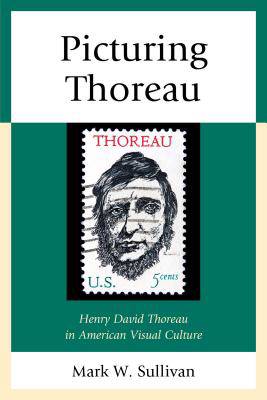
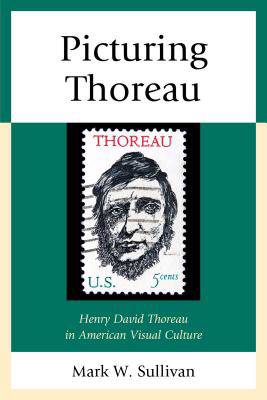
As we approach the bicentennial, in 2017, of the birth of Henry David Thoreau, there is considerable debate and confusion as to what he may, or may not have, contributed to American life and culture. Almost every American has heard of Thoreau, but only a few are aware that he was deeply engaged with most of the important issues of his day, from slavery to "Manifest Destiny" and the rights of the individual in a democratic society. Many of these issues are still affecting us today, as we move toward the second quarter of the twenty-first century. By studying how various American artists have chosen to portray Thoreauover the years since the publication of Walden in 1854, we can gain a clear understanding of how he has been interpreted (or misinterpreted) throughout the years since his death in 1862. But along the way, we might also find something useful, for our times, in the insights that Thoreau gained as he wrestled with the most urgent problems being experienced by American society in his day.
Specificaties
Betrokkenen
- Auteur(s):
- Uitgeverij:
Inhoud
- Aantal bladzijden:
- 240
- Taal:
- Engels
Eigenschappen
- Productcode (EAN):
- 9781498511032
- Verschijningsdatum:
- 27/03/2017
- Uitvoering:
- Paperback
- Formaat:
- Trade paperback (VS)
- Afmetingen:
- 150 mm x 229 mm
- Gewicht:
- 362 g


Alleen bij Standaard Boekhandel
+ 199 punten op je klantenkaart van Standaard Boekhandel
CADEAU

AANGERADEN


Beoordelingen
We publiceren alleen reviews die voldoen aan de voorwaarden voor reviews. Bekijk onze voorwaarden voor reviews.