



Je cadeautjes zeker op tijd in huis hebben voor de feestdagen? Kom langs in onze winkels en vind het perfecte geschenk!
- Afhalen na 1 uur in een winkel met voorraad
- Gratis thuislevering in België vanaf € 30
- Ruim aanbod met 7 miljoen producten
Je cadeautjes zeker op tijd in huis hebben voor de feestdagen? Kom langs in onze winkels en vind het perfecte geschenk!
- Afhalen na 1 uur in een winkel met voorraad
- Gratis thuislevering in België vanaf € 30
- Ruim aanbod met 7 miljoen producten





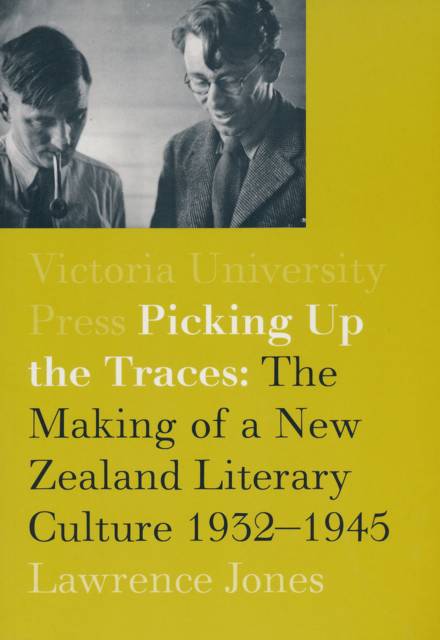
Picking Up the Traces
The Making of a New Zealand Literary Culture 1932-1945
Lawrence Jones
Paperback | Engels
€ 41,95
+ 83 punten
Omschrijving
The story of the generation of New Zealand writers who came of age in the 1930s and who deliberately and decisively changed the course of literature is told in this book, shedding important new light on the key participants, including Allen Curnow, Denis Glover, and Robin Hyde. The movement is traced through small circulation magazines and small press publications from 1932 to 1941. The repudiations and loyalties by which the movement defined itself are explored, including its opposition to the literary establishment and to late Georgian verse, its naming of its precursors and allies from the 1920s, and its choice of overseas models such as the British Moderns and the new American short-story writers for the creation of a new literature. Also covered is the anti-myth the Phoenix and Caxton writers created to oppose the cultural myths supported by the literary establishment and the writers' responses to the worldwide social upheavals of the period--the Depression, the international crises of 1935 to 1939, and World War II.
Specificaties
Betrokkenen
- Auteur(s):
- Uitgeverij:
Inhoud
- Aantal bladzijden:
- 520
- Taal:
- Engels
Eigenschappen
- Productcode (EAN):
- 9780864734556
- Verschijningsdatum:
- 1/04/2004
- Uitvoering:
- Paperback
- Formaat:
- Trade paperback (VS)
- Afmetingen:
- 153 mm x 202 mm
- Gewicht:
- 698 g



Alleen bij Standaard Boekhandel
+ 83 punten op je klantenkaart van Standaard Boekhandel
CADEAU


Beoordelingen
We publiceren alleen reviews die voldoen aan de voorwaarden voor reviews. Bekijk onze voorwaarden voor reviews.