


- Afhalen na 1 uur in een winkel met voorraad
- Gratis thuislevering in België vanaf € 30
- Ruim aanbod met 7 miljoen producten
- Afhalen na 1 uur in een winkel met voorraad
- Gratis thuislevering in België vanaf € 30
- Ruim aanbod met 7 miljoen producten





€ 45,95
+ 91 punten
Omschrijving
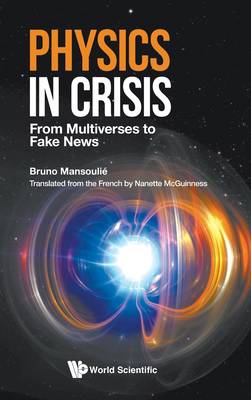
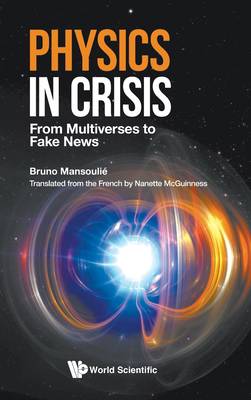
Today's physics has led to incredible advances in the technology we use in daily life -- from cell phones and GPS systems to PET scans and more. Current theories in physics have been amazingly effective in practical terms. Yet all is far from well: the two foundational concepts in physics -- Quantum Theory and General Relativity -- are incompatible with each other, and observations of the universe show that our theories are incomplete -- at best.While physicists have tried to paper over this impasse by inventing dark matter and dark energy, they remain unobserved mysteries. Adding fuel to the fire of current crises, artificial intelligence threatens to replace our most cherished theories and procedures with arcane algorithms. Worse yet perhaps, the public understands physics poorly, either taking it for granted or fearing and rejecting it completely.Physicists dream of a new universal theory that will completely change how we see our world, much as Einstein did with relativity and Newton with gravity. Likewise, society loves the romantic notion of a single genius heroically creating a massive paradigm shift. Still, is this scenario likely today? Perhaps the next steps in physics will be incremental rather than gigantic.In Physics in Crisis, Bruno Mansoulié uses simple language, insightful examples, and his personal experience as a working physicist to address these fundamental questions and reflect on how today's crises in physics might be solved.
Specificaties
Betrokkenen
- Auteur(s):
- Vertaler(s):
- Uitgeverij:
Inhoud
- Aantal bladzijden:
- 172
- Taal:
- Engels
Eigenschappen
- Productcode (EAN):
- 9781800612341
- Verschijningsdatum:
- 8/08/2022
- Uitvoering:
- Hardcover
- Formaat:
- Genaaid
- Afmetingen:
- 152 mm x 229 mm
- Gewicht:
- 399 g


Alleen bij Standaard Boekhandel
+ 91 punten op je klantenkaart van Standaard Boekhandel
CADEAU


Beoordelingen
We publiceren alleen reviews die voldoen aan de voorwaarden voor reviews. Bekijk onze voorwaarden voor reviews.