


- Afhalen na 1 uur in een winkel met voorraad
- Gratis thuislevering in België vanaf € 30
- Ruim aanbod met 7 miljoen producten
- Afhalen na 1 uur in een winkel met voorraad
- Gratis thuislevering in België vanaf € 30
- Ruim aanbod met 7 miljoen producten





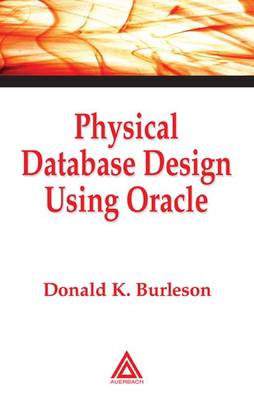
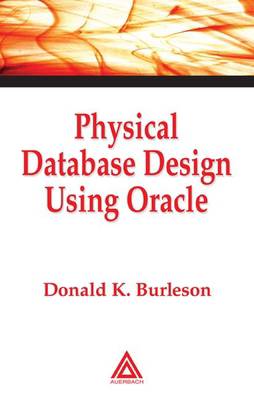
Physical Database Design Using Oracle
Donald K Burleson
€ 175,95
+ 351 punten
Eenvoudig bestellen
Veilig betalen


Gratis thuislevering vanaf € 30 (via bpost)
Gratis levering in je Standaard Boekhandel
Omschrijving
The evolution of Oracle has led to a revolution in design practices. For Oracle 10g, database physical structures have become more complex than ever before and database designers face multiple ways to implement their logical models. IS students studying database design and administration need to be able to implement management systems in a way that enables fast performance while preserving logical data structures. Physical Database Design Using Oracle correlates logical data models with the physical implementation structures that Oracle provides. It allows students to learn how to take logical data models and convert them into a series of data structures that permit fast and easy logical access to data. Oracle 10g offers object-oriented data structures, pure relational data structures, and specialized data structures such as index-organized tables. Given so many choices, future DBAs and Oracle designers must understand the approprate use of each physical technology and how it maps to their data models. This textbook is targeted at undergraduate and graduate IS students working to become the Oracle professionals of the near future. It is expected that they already have exposure to basic Oracle database administration. The expert guidance provided by this textbook offers the insight needed to choose appropriate physical models for mission-critical applications.
Specificaties
Betrokkenen
- Auteur(s):
- Uitgeverij:
Inhoud
- Aantal bladzijden:
- 264
- Taal:
- Engels
- Reeks:
Eigenschappen
- Productcode (EAN):
- 9780849318177
- Verschijningsdatum:
- 27/07/2004
- Uitvoering:
- Hardcover
- Formaat:
- Genaaid
- Afmetingen:
- 155 mm x 242 mm
- Gewicht:
- 512 g


Alleen bij Standaard Boekhandel
+ 351 punten op je klantenkaart van Standaard Boekhandel
CADEAU

AANGERADEN


Beoordelingen
We publiceren alleen reviews die voldoen aan de voorwaarden voor reviews. Bekijk onze voorwaarden voor reviews.