


- Afhalen na 1 uur in een winkel met voorraad
- Gratis thuislevering in België vanaf € 30
- Ruim aanbod met 7 miljoen producten
- Afhalen na 1 uur in een winkel met voorraad
- Gratis thuislevering in België vanaf € 30
- Ruim aanbod met 7 miljoen producten





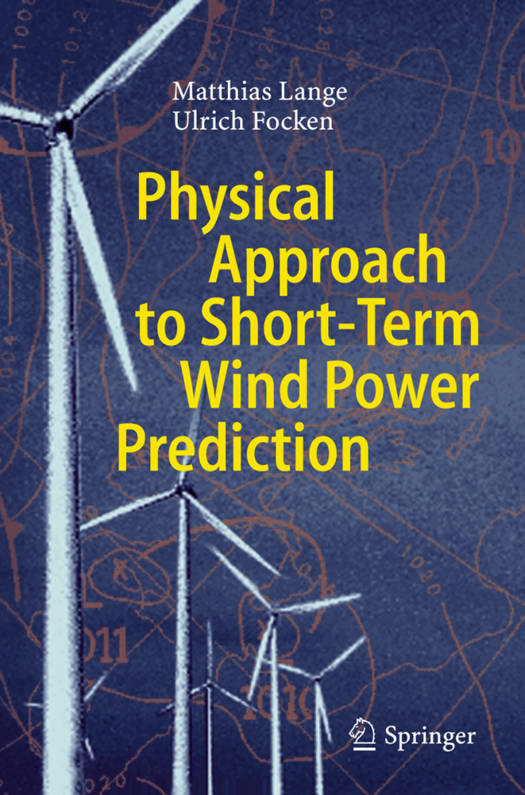
Physical Approach to Short-Term Wind Power Prediction
Matthias Lange, Ulrich Focken
Hardcover | Engels
€ 160,45
+ 320 punten
Uitvoering
Eenvoudig bestellen
Veilig betalen


Gratis thuislevering vanaf € 30 (via bpost)
Gratis levering in je Standaard Boekhandel
Omschrijving
Triggered by a discussion on the nature of future electricity supplies, wind - ergy utilisation has boomed dramatically, ?rst in the United States of America and Denmark and later in Germany and Spain. Thanks to state subsidies, it has within 15 years overtaken the volume of the classic renewable hydro-power, and today it accountsforabout5%ofelectricitygeneration. Twofactorssetoffthisdevelopment: anawarenessofthelimitedavailabilityof fossilfuelsandtherecognitionthatinthe19thand20thcenturiesthemassiverelease of fossil CO had kicked off a gigantic climate experiment whose results remain 2 unpredictable. The discussion on the side effects of the wind energy boom, such asoccupationoflandandthechallengespresentedbyintegrationintoconventional electricity generation systems, frequently distract attention from the real goals and bene?ts of this technology. These are establishing an energy sector that will, in the shortterm, reduceCO emissionsandtheexploitationof?niteresourcesand, inthe 2 longterm, createanunlimitedsustainableenergysupply. Because fossil reserves are relatively easy to exploit, a system developed that could hardly be more convenient. It makes electric power available in large quan- tiesatmoderatepricesandinawaythatiseasytoplan.Thetaskofthepowerutility is essentially limited to "uncritically" adjusting the supply from central power s- tionstothedemandfromconsumers.Alow-CO sustainableenergysectordemands 2 differentstandards.Windandsolarpowerhaveahighpotential, buttheyaresubject tohighnatural?uctuationsand, ingeneral, areconnectedtotheelectricitygridina decentralway.Theshareoffuturestoragetechnologiessuchashydrogentechnology willbeassmallaspossibleforreasonsofef?ciencyandcost. So, future-compatibleelectricitygenerationwillcomprisemanydifferent, partly innovative components, which also demands a considerable research and devel- menteffort.Ontheonehand, thereisthe?uctuatinginputfromrenewablesources, and on the other, electricity consumption that must to a certain extent be adjusted to supply by means of intelligent solutions. In between, to a declining extent, VI Foreword modernconventionalenergyproducers, suchascoalandnaturalgaspowerstations, areallbroughttogetherwithagreatdealoftechnicalingenuityintheformofcontrol strategiesandinformation?ows.
Specificaties
Betrokkenen
- Auteur(s):
- Uitgeverij:
Inhoud
- Aantal bladzijden:
- 208
- Taal:
- Engels
Eigenschappen
- Productcode (EAN):
- 9783540256625
- Verschijningsdatum:
- 22/11/2005
- Uitvoering:
- Hardcover
- Formaat:
- Genaaid
- Afmetingen:
- 156 mm x 234 mm
- Gewicht:
- 489 g


Alleen bij Standaard Boekhandel
+ 320 punten op je klantenkaart van Standaard Boekhandel
CADEAU

AANGERADEN


Beoordelingen
We publiceren alleen reviews die voldoen aan de voorwaarden voor reviews. Bekijk onze voorwaarden voor reviews.