


- Afhalen na 1 uur in een winkel met voorraad
- Gratis thuislevering in België vanaf € 30
- Ruim aanbod met 7 miljoen producten
- Afhalen na 1 uur in een winkel met voorraad
- Gratis thuislevering in België vanaf € 30
- Ruim aanbod met 7 miljoen producten





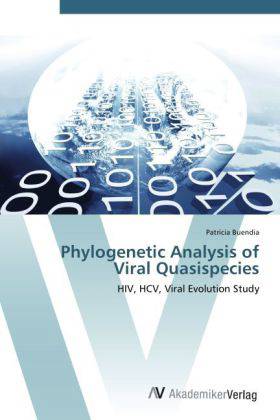
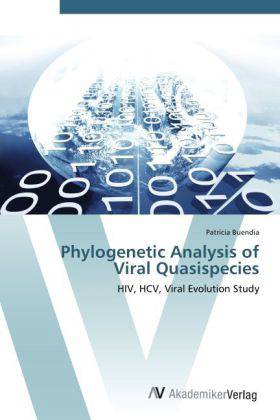
Phylogenetic Analysis of Viral Quasispecies
HIV, HCV, Viral Evolution Study
Patricia Buendia
Paperback | Engels
€ 96,45
+ 192 punten
Omschrijving
Revision with unchanged content. A new approach in the analysis of viral evolution is presented in this book, an approach that merges Phylogenetic analysis and Bioinformatic techniques. Patterns of viral evolution are inferred from serially-sampled sequence data, i.e., sequence data obtained from strains isolated at consecutive time points from a single patient or host. Traditional phylogenetic methods assume a tree-like evolutionary model, while many RNA viruses have the capacity to exchange genetic material with one another using a process called re-combination. A genealogy involving recombination is best described by a net-work structure. A more general approach was implemented in a new compu-tational tool, Sliding MinPD, one that is mindful of the sampling times of the input sequences and that reconstructs the viral evolutionary relationships in the form of a network structure with implicit representations of recombi-nation events. The underlying network organization reveals unique patterns of viral evolution and could help explain the emergence of disease-associated mutants and drug-resistant strains, with implications for patient prognosis and treatment strategies.
Specificaties
Betrokkenen
- Auteur(s):
- Uitgeverij:
Inhoud
- Aantal bladzijden:
- 208
- Taal:
- Engels
Eigenschappen
- Productcode (EAN):
- 9783639452273
- Verschijningsdatum:
- 16/08/2012
- Uitvoering:
- Paperback
- Formaat:
- Trade paperback (VS)
- Afmetingen:
- 152 mm x 229 mm
- Gewicht:
- 312 g


Alleen bij Standaard Boekhandel
+ 192 punten op je klantenkaart van Standaard Boekhandel

Beoordelingen
We publiceren alleen reviews die voldoen aan de voorwaarden voor reviews. Bekijk onze voorwaarden voor reviews.