


- Afhalen na 1 uur in een winkel met voorraad
- Gratis thuislevering in België vanaf € 30
- Ruim aanbod met 7 miljoen producten
- Afhalen na 1 uur in een winkel met voorraad
- Gratis thuislevering in België vanaf € 30
- Ruim aanbod met 7 miljoen producten





€ 67,95
+ 135 punten
Omschrijving
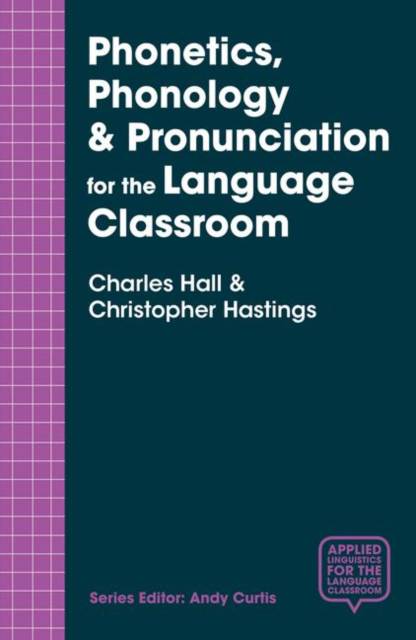
Language teachers are often afraid to teach pronunciation because they lack essential, basic knowledge or training in phonetics and phonology. To correct this situation, this lively, interactive book links all three in a manner that allows future and current language teachers to translate research findings into classroom approaches. The authors focus on practical, pedagogical, and theoretical aspects of phonetics, phonology, and pronunciation. While many books in the area separate phonetics and phonology into different subject areas with limited practical application, and most treat pronunciation independently, this book entails the interaction of all three. This quick introduction helps readers gain the basic knowledge, goals, and techniques they need to add pronunciation to their teaching.
To address the need for language teachers to have access to materials that blend applied linguistics theory and second/foreign language teaching, this book focuses on practical and theoretical aspects of phonetics, phonology, and pronunciation. As language teachers are often asked to teach pronunciation without crucial knowledge or training in phonetics and phonology, this book links all three in a manner that allows future and current language teachers to translate research findings into classroom approaches. While many books in the area separate phonetics and phonology into different subject areas with limited practical application, and most treat pronunciation independently, this book entails the interaction of all three while connecting classroom practice to theory by drawing pedagogical implications from a discussion of applied linguistics research.Specificaties
Betrokkenen
- Auteur(s):
- Uitgeverij:
Inhoud
- Aantal bladzijden:
- 224
- Taal:
- Engels
- Reeks:
- Reeksnummer:
- nr. 3
Eigenschappen
- Productcode (EAN):
- 9781137554680
- Verschijningsdatum:
- 20/01/2017
- Uitvoering:
- Paperback
- Formaat:
- Trade paperback (VS)
- Afmetingen:
- 134 mm x 202 mm
- Gewicht:
- 249 g


Alleen bij Standaard Boekhandel
+ 135 punten op je klantenkaart van Standaard Boekhandel
Cadeau

AANGERADEN


Beoordelingen
We publiceren alleen reviews die voldoen aan de voorwaarden voor reviews. Bekijk onze voorwaarden voor reviews.