


- Afhalen na 1 uur in een winkel met voorraad
- Gratis thuislevering in België vanaf € 30
- Ruim aanbod met 7 miljoen producten
- Afhalen na 1 uur in een winkel met voorraad
- Gratis thuislevering in België vanaf € 30
- Ruim aanbod met 7 miljoen producten





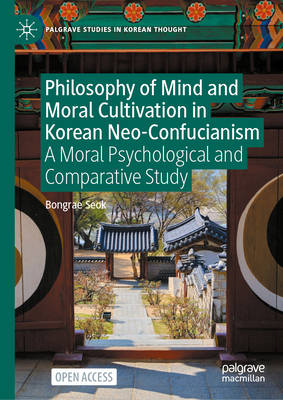
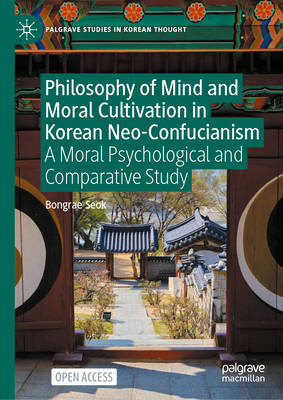
Philosophy of Mind and Moral Cultivation in Korean Neo-Confucianism
A Moral Psychological and Comparative Study
Bongrae Seok
€ 54,45
+ 108 punten
Omschrijving
This Open Access book offers the first comprehensive analysis of Korean Neo-Confucian theories of mind and moral cultivation during the Joseon dynasty. Exploring major debates--the Four-Seven Debate, the Horak Debate, and the Simseol Debate--this book examines how leading thinkers such as Yi Hwang (Toegye), Yi I (Yulgok), Han Wonjin, Yi Gan, Jeong Yagyong (Dasan), and Yi Hangno conceptualized the moral mind as an affective-cognitive-moral complex. Bongrae Seok situates these discussions within the broader Neo-Confucian metaphysical framework of i (principle) and gi (material force), while highlighting their distinctive Korean orientation toward moral psychology and self-cultivation. Combining historical depth with philosophical rigor, the book addresses theoretical and practical implications for Confucian ethics and comparative philosophy, offering insights into virtue, mindfulness, moral cognition, and moral autonomy. Ideal for scholars and students of Korean philosophy, East Asian thought, and comparative moral psychology, this volume advances global dialogues on mind, morality, and moral practice.
Specificaties
Betrokkenen
- Auteur(s):
- Uitgeverij:
Inhoud
- Aantal bladzijden:
- 301
- Taal:
- Engels
- Reeks:
Eigenschappen
- Productcode (EAN):
- 9783032215918
- Verschijningsdatum:
- 8/07/2026
- Uitvoering:
- Hardcover
- Formaat:
- Genaaid
- Afmetingen:
- 148 mm x 210 mm


Alleen bij Standaard Boekhandel
+ 108 punten op je klantenkaart van Standaard Boekhandel
Cadeau

AANGERADEN


Beoordelingen
We publiceren alleen reviews die voldoen aan de voorwaarden voor reviews. Bekijk onze voorwaarden voor reviews.