


- Afhalen na 1 uur in een winkel met voorraad
- Gratis thuislevering in België vanaf € 30
- Ruim aanbod met 7 miljoen producten
- Afhalen na 1 uur in een winkel met voorraad
- Gratis thuislevering in België vanaf € 30
- Ruim aanbod met 7 miljoen producten





€ 74,95
+ 149 punten
Omschrijving
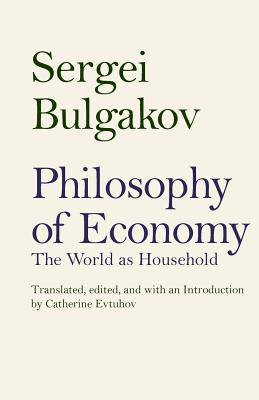
The writings of Sergei Bulgakov (1871-1944), like those of other major social thinkers of Russia's Silver Age, were obliterated from public consciousness under Soviet rule. Discovered again after eighty years of silence, Bulgakov's work speaks with remarkable directness to the postmodern listener. This outstanding translation of Philosophy of Economy brings to English-language speakers for the first time a major work of social theory written by a critical figure in the Russian tradition of liberal thought. What is unique about Bulgakov, Catherine Evtuhov explains in her introduction to this book, is that he bridges two worlds. His social thought is firmly based in the Western tradition, yet some of his ideas reflect a specifically Russian way of thinking about society. Though arguing strenuously in favor of political and social liberty, Bulgakov repudiates the individualistic basis of Western liberalism in favor of a conception of human dignity that is compatible with collectivity. His economic theory stresses the spiritual content of life in the world and imagines national life as a kind of giant household. Bulgakov's work, with its singularly postmodern balance between Western and non-Western, offers fascinating implications for those in the process of reevaluating ideologies in post-Soviet Russia and in America as well.
Specificaties
Betrokkenen
- Auteur(s):
- Vertaler(s):
- Uitgeverij:
Inhoud
- Aantal bladzijden:
- 360
- Taal:
- Engels
- Reeks:
Eigenschappen
- Productcode (EAN):
- 9780300211962
- Verschijningsdatum:
- 31/07/2014
- Uitvoering:
- Paperback
- Formaat:
- Trade paperback (VS)
- Afmetingen:
- 140 mm x 216 mm
- Gewicht:
- 458 g


Alleen bij Standaard Boekhandel
+ 149 punten op je klantenkaart van Standaard Boekhandel
Cadeau

AANGERADEN


Beoordelingen
We publiceren alleen reviews die voldoen aan de voorwaarden voor reviews. Bekijk onze voorwaarden voor reviews.