


- Afhalen na 1 uur in een winkel met voorraad
- Gratis thuislevering in België vanaf € 30
- Ruim aanbod met 7 miljoen producten
- Afhalen na 1 uur in een winkel met voorraad
- Gratis thuislevering in België vanaf € 30
- Ruim aanbod met 7 miljoen producten





€ 50,45
+ 100 punten
Uitvoering
Omschrijving
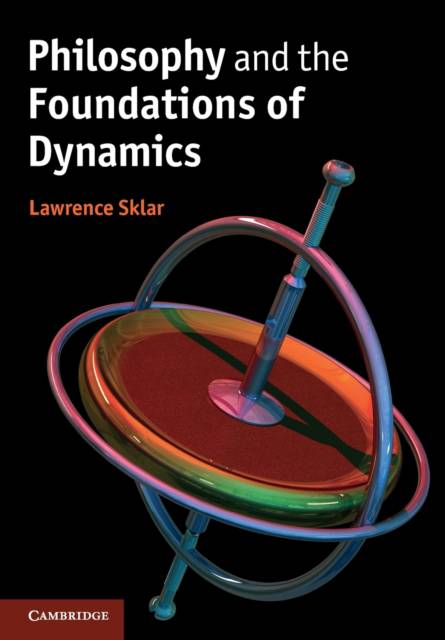
Although now replaced by more modern theories, classical mechanics remains a core foundational element of physical theory. From its inception, the theory of dynamics has been riddled with conceptual issues and differing philosophical interpretations and throughout its long historical development, it has shown subtle conceptual refinement. The interpretive program for the theory has also shown deep evolutionary change over time. Lawrence Sklar discusses crucial issues in the central theory from which contemporary foundational theories are derived and shows how some core issues (the nature of force, the place of absolute reference frames) have nevertheless remained deep puzzles despite the increasingly sophisticated understanding of the theory which has been acquired over time. His book will be of great interest to philosophers of science, philosophers in general and physicists concerned with foundational interpretive issues in their field.
Specificaties
Betrokkenen
- Auteur(s):
- Uitgeverij:
Inhoud
- Aantal bladzijden:
- 279
- Taal:
- Engels
Eigenschappen
- Productcode (EAN):
- 9780521716307
- Verschijningsdatum:
- 29/11/2012
- Uitvoering:
- Paperback
- Formaat:
- Trade paperback (VS)
- Afmetingen:
- 175 mm x 246 mm
- Gewicht:
- 580 g


Alleen bij Standaard Boekhandel
+ 100 punten op je klantenkaart van Standaard Boekhandel
Cadeau

AANGERADEN


Beoordelingen
We publiceren alleen reviews die voldoen aan de voorwaarden voor reviews. Bekijk onze voorwaarden voor reviews.