


- Afhalen na 1 uur in een winkel met voorraad
- Gratis thuislevering in België vanaf € 30
- Ruim aanbod met 7 miljoen producten
- Afhalen na 1 uur in een winkel met voorraad
- Gratis thuislevering in België vanaf € 30
- Ruim aanbod met 7 miljoen producten





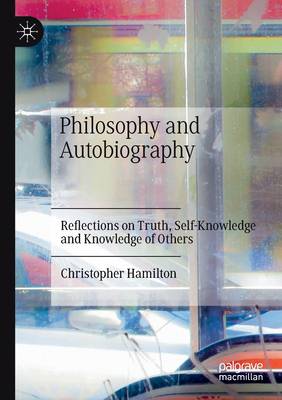
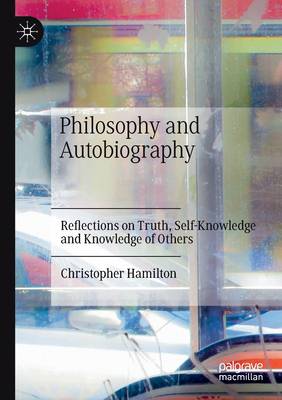
Philosophy and Autobiography
Reflections on Truth, Self-Knowledge and Knowledge of Others
Christopher Hamilton
Paperback | Engels
€ 92,45
+ 184 punten
Uitvoering
Omschrijving
This book, taking its point of departure from Stanley Cavell's claim that philosophy and autobiography are dimensions of each other, aims to explore some of the relations between these forms of reflection, first by seeking to develop an outline of a philosophy of autobiography, and then by exploring the issue from the side of five autobiographical works. Christopher Hamilton argues in the volume that there are good reasons for thinking that philosophical texts can be considered autobiographical, and then turns to discuss the autobiographies of Walter Benjamin, Peter Weiss, Jean-Paul Sartre, George Orwell, Edmund Gosse and Albert Camus. In discussing these works, Hamilton explores how they put into question certain received understandings of what philosophical texts suppose themselves to be doing, and also how they themselves constitute philosophical explorations of certain key issues, e.g. the self, death, religious and ethical consciousness, sensuality, the body. Throughout, there is an exploration of the ways in which autobiographies help us in thinking about self-knowledge and knowledge of others. A final chapter raises some issues concerning the fact that the five autobiographies discussed here are all texts dealing with childhood.
Specificaties
Betrokkenen
- Auteur(s):
- Uitgeverij:
Inhoud
- Aantal bladzijden:
- 194
- Taal:
- Engels
Eigenschappen
- Productcode (EAN):
- 9783030706593
- Verschijningsdatum:
- 14/11/2022
- Uitvoering:
- Paperback
- Formaat:
- Trade paperback (VS)
- Afmetingen:
- 148 mm x 210 mm
- Gewicht:
- 249 g


Alleen bij Standaard Boekhandel
+ 184 punten op je klantenkaart van Standaard Boekhandel
Cadeau

AANGERADEN


Beoordelingen
We publiceren alleen reviews die voldoen aan de voorwaarden voor reviews. Bekijk onze voorwaarden voor reviews.