


- Afhalen na 1 uur in een winkel met voorraad
- Gratis thuislevering in België vanaf € 30
- Ruim aanbod met 7 miljoen producten
- Afhalen na 1 uur in een winkel met voorraad
- Gratis thuislevering in België vanaf € 30
- Ruim aanbod met 7 miljoen producten





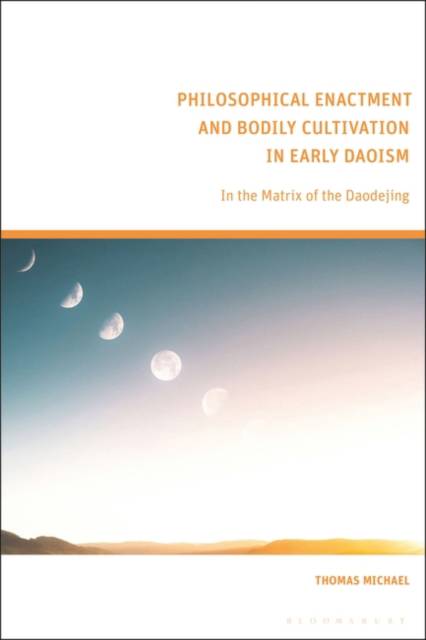
Philosophical Enactment and Bodily Cultivation in Early Daoism
In the Matrix of the Daodejing
Thomas Michael
Paperback | Engels
€ 69,45
+ 138 punten
Uitvoering
Omschrijving
In Philosophical Enactment and Bodily Cultivation in Early Daoism, Thomas Michael illuminates the formative early history of the Daodejing and the social, political, religious, and philosophical trends that indelibly marked it.
This book centers on the matrix of the Daodejing that harbors a penetrating phenomenology of the Dao together with a rigorous system of bodily cultivation. It traces the historical journey of the text from its earliest oral circulations to its later transcriptions seen in a growing collection of ancient Chinese excavated manuscripts. It examines the ways in which Huang-Lao thinkers from the Han Dynasty transformed the original phenomenology of the Daodejing into a metaphysics that reconfigured its original matrix, and it explores the success of the Wei-Jin Daoist Ge Hong in bringing the matrix back into its original alignment.
This book is an important contribution to cross-cultural studies, bringing contemporary Chinese scholarship on Daoism into direct conversation with Western scholarship on Daoism. The book also concludes with a discussion of Martin Heidegger's recognition of the position and value of the Daodejing for the future of comparative philosophy.
Specificaties
Betrokkenen
- Auteur(s):
- Uitgeverij:
Inhoud
- Aantal bladzijden:
- 288
- Taal:
- Engels
Eigenschappen
- Productcode (EAN):
- 9781350236691
- Verschijningsdatum:
- 30/11/2023
- Uitvoering:
- Paperback
- Formaat:
- Trade paperback (VS)
- Afmetingen:
- 156 mm x 234 mm
- Gewicht:
- 403 g


Alleen bij Standaard Boekhandel
+ 138 punten op je klantenkaart van Standaard Boekhandel
Cadeau

AANGERADEN


Beoordelingen
We publiceren alleen reviews die voldoen aan de voorwaarden voor reviews. Bekijk onze voorwaarden voor reviews.