


- Afhalen na 1 uur in een winkel met voorraad
- Gratis thuislevering in België vanaf € 30
- Ruim aanbod met 7 miljoen producten
- Afhalen na 1 uur in een winkel met voorraad
- Gratis thuislevering in België vanaf € 30
- Ruim aanbod met 7 miljoen producten





€ 23,95
+ 47 punten
Uitvoering
Omschrijving
Based on the conviction that only translators who write poetry themselves can properly re-create the celebrated and timeless tragedies of Aeschylus, Sophocles, and Euripides, the Greek Tragedy in New Translations series offers new translations that go beyond the literal meaning of the Greek in order to evoke the poetry of the originals. Under the general editorship of Peter Burian and Alan Shapiro, each volume includes a critical introduction, commentary on the text, full stage directions, and a glossary of the mythical and geographical references in the play.
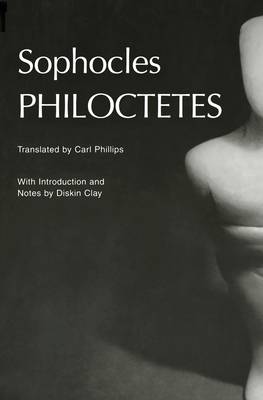
En route to fight the Trojan War, the Greek army has abandoned Philoctetes, after the smell of his festering wound, mysteriously received from a snakebite at a shrine on a small island off Lemnos, makes it unbearable to keep him on ship. Ten years later, an oracle makes it clear that the war cannot be won without the assistance of Philoctetes and his famous bow, inherited from Hercules himself. Philoctetes focuses on the attempt of Neoptolemus and the hero Odysseus to persuade the bowman to sail with them to Troy. First, though, they must assuage his bitterness over having been abandoned, and then win his trust. But how should they do this--through trickery, or with the truth? To what extent do the ends justify the means? To what degree should personal integrity be compromised for the sake of public duty? These are among the questions that Sophocles puts forward in this, one of his most morally complex and penetrating plays.
En route to fight the Trojan War, the Greek army has abandoned Philoctetes, after the smell of his festering wound, mysteriously received from a snakebite at a shrine on a small island off Lemnos, makes it unbearable to keep him on ship. Ten years later, an oracle makes it clear that the war cannot be won without the assistance of Philoctetes and his famous bow, inherited from Hercules himself. Philoctetes focuses on the attempt of Neoptolemus and the hero Odysseus to persuade the bowman to sail with them to Troy. First, though, they must assuage his bitterness over having been abandoned, and then win his trust. But how should they do this--through trickery, or with the truth? To what extent do the ends justify the means? To what degree should personal integrity be compromised for the sake of public duty? These are among the questions that Sophocles puts forward in this, one of his most morally complex and penetrating plays.
Specificaties
Betrokkenen
- Auteur(s):
- Uitgeverij:
Inhoud
- Aantal bladzijden:
- 118
- Taal:
- Engels
- Reeks:
Eigenschappen
- Productcode (EAN):
- 9780195136579
- Verschijningsdatum:
- 18/09/2003
- Uitvoering:
- Paperback
- Formaat:
- Trade paperback (VS)
- Afmetingen:
- 120 mm x 224 mm
- Gewicht:
- 117 g


Alleen bij Standaard Boekhandel
+ 47 punten op je klantenkaart van Standaard Boekhandel
Cadeau

AANGERADEN


Beoordelingen
We publiceren alleen reviews die voldoen aan de voorwaarden voor reviews. Bekijk onze voorwaarden voor reviews.