


- Afhalen na 1 uur in een winkel met voorraad
- Gratis thuislevering in België vanaf € 30
- Ruim aanbod met 7 miljoen producten
- Afhalen na 1 uur in een winkel met voorraad
- Gratis thuislevering in België vanaf € 30
- Ruim aanbod met 7 miljoen producten





€ 169,95
+ 339 punten
Omschrijving
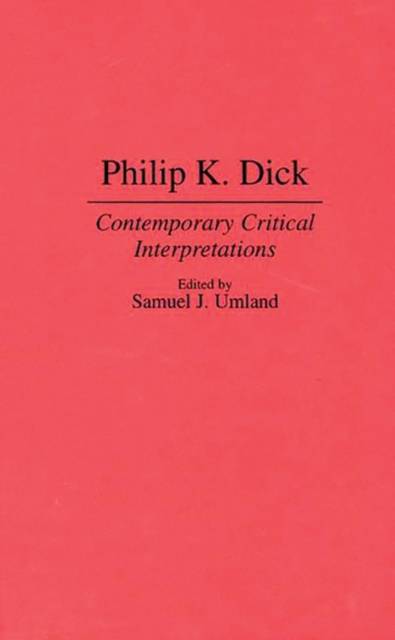
This book contains 11 essays and a comprehensive bibliography. The essays reveal the extent to which Philip K. Dick's personal obsessions pre-figured postmodernist concerns with humanity's self-alienation, cultural and personal paranoia, and the politics of simulation, deceit, and self-deception. The contributors reveal how Dick's ontological concerns, stated in his repeated questioning of What is real?, are also political concerns. Thus, they examine the philosophical and religious foundations on which his work rests, offering much-needed arguments which reveal both his philosophical depth and the extent to which he drew from esoteric and occult religions. His cultural critique also receives significant exposition, as the contributors reveal how Dick's fiction enacts the larger cultural struggles of cold war America, with its conflicting private visions and public realities, and its personal and political loyalties. The contributors argue for the significance of heretofore neglected or marginalized texts of Dick as well, including in their discussions many early short stories from the early 1950s and neglected novels of the mid-1960s, arguing that there is a need to understand how Dick shaped (or misshaped) his fictions so as to reimagine the life of his society.
Specificaties
Betrokkenen
- Auteur(s):
- Uitgeverij:
Inhoud
- Aantal bladzijden:
- 238
- Taal:
- Engels
- Reeks:
- Reeksnummer:
- nr. 63
Eigenschappen
- Productcode (EAN):
- 9780313292958
- Verschijningsdatum:
- 24/01/1995
- Uitvoering:
- Hardcover
- Formaat:
- Genaaid
- Afmetingen:
- 160 mm x 231 mm
- Gewicht:
- 467 g



Alleen bij Standaard Boekhandel
+ 339 punten op je klantenkaart van Standaard Boekhandel
Cadeau

AANGERADEN


Beoordelingen
We publiceren alleen reviews die voldoen aan de voorwaarden voor reviews. Bekijk onze voorwaarden voor reviews.