


- Afhalen na 1 uur in een winkel met voorraad
- Gratis thuislevering in België vanaf € 30
- Ruim aanbod met 7 miljoen producten
- Afhalen na 1 uur in een winkel met voorraad
- Gratis thuislevering in België vanaf € 30
- Ruim aanbod met 7 miljoen producten





Omschrijving
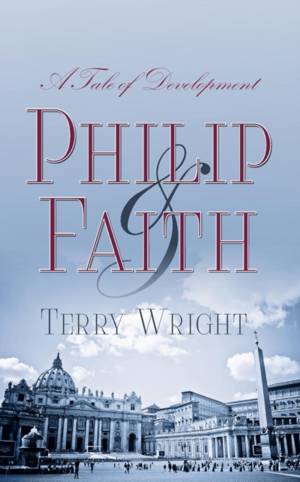
Philip looks back at his life so far, a long and complicated journey. First there was his conversion at an evangelical crusade, followed by a critical retracing of the origins of Christianity and then his reception into the Catholic Church, with whose present condition he is deeply unhappy. At the same time there was his sometimes comic education by the women in his life: Faith, who rejected him as a lover but remained his friend, Rachel, who became his wife, and Amanda, his therapist. These personal events, he recalls, took place alongside more public events in the life of the Anglican and Catholic Churches, including the Second Vatican Council, the debates over the ordination of women and the problem of the sexual abuse of children by priests, all of which impinged on his own life. Both Philip and Faith and the churches to which they belong are forced to confront the need to change, to adapt to new circumstances, in order to survive. Terry Wright has written ten academic books exploring different aspects of literature and theology. This is his second novel, after The Browning Papers.
Specificaties
Betrokkenen
- Auteur(s):
- Uitgeverij:
Inhoud
- Aantal bladzijden:
- 172
- Taal:
- Engels
Eigenschappen
- Productcode (EAN):
- 9781909395572
- Verschijningsdatum:
- 9/11/2012
- Uitvoering:
- Paperback
- Formaat:
- Trade paperback (VS)
- Afmetingen:
- 127 mm x 203 mm
- Gewicht:
- 190 g


Alleen bij Standaard Boekhandel
+ 22 punten op je klantenkaart van Standaard Boekhandel

Beoordelingen
We publiceren alleen reviews die voldoen aan de voorwaarden voor reviews. Bekijk onze voorwaarden voor reviews.