



Bedankt voor het vertrouwen het afgelopen jaar! Om jou te bedanken bieden we GRATIS verzending (in België) aan op alles gedurende de hele maand januari.
- Afhalen na 1 uur in een winkel met voorraad
- In januari gratis thuislevering in België
- Ruim aanbod met 7 miljoen producten
Bedankt voor het vertrouwen het afgelopen jaar! Om jou te bedanken bieden we GRATIS verzending (in België) aan op alles gedurende de hele maand januari.
- Afhalen na 1 uur in een winkel met voorraad
- In januari gratis thuislevering in België
- Ruim aanbod met 7 miljoen producten





€ 45,95
+ 91 punten
Omschrijving
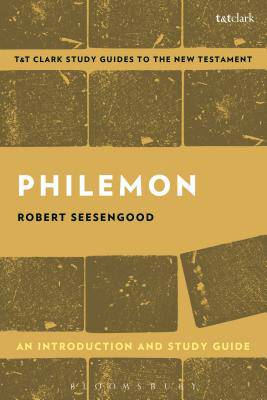
This guide explores and summarizes scholarship on Philemon, acquainting beginning students with what has been said about Philemon, and equipping them to understand the larger debates and conversations that surround it. It explores how different initial scholarly assumptions result in different interpretations and "meanings;" these meanings always have ethical implications. Reading Philemon challenges us to rethink the process of commentary and the communities interpretation creates.
Though only one chapter long, Paul's Letter to Philemon has generated a remarkable amount of commentary and scholarship over the centuries, figuring in debates over textual reconstruction, the formation of biblical canon, the culture of ancient Rome, Greek language and its translation, and the role of the Bible in Western politics and economics. The focus of this short letter is labor, love and captivity. Tradition since Chrysostom has argued the letter is an appeal to Philemon on behalf of a fugitive slave Onesimus, now a convert to Christianity. Yet this interpretation depends upon several assumptions and reconstructions. Other equally plausible contexts could be -- and have been -- argued.
Though only one chapter long, Paul's Letter to Philemon has generated a remarkable amount of commentary and scholarship over the centuries, figuring in debates over textual reconstruction, the formation of biblical canon, the culture of ancient Rome, Greek language and its translation, and the role of the Bible in Western politics and economics. The focus of this short letter is labor, love and captivity. Tradition since Chrysostom has argued the letter is an appeal to Philemon on behalf of a fugitive slave Onesimus, now a convert to Christianity. Yet this interpretation depends upon several assumptions and reconstructions. Other equally plausible contexts could be -- and have been -- argued.
Specificaties
Betrokkenen
- Auteur(s):
- Uitgeverij:
Inhoud
- Aantal bladzijden:
- 128
- Taal:
- Engels
- Reeks:
Eigenschappen
- Productcode (EAN):
- 9780567674951
- Verschijningsdatum:
- 10/08/2017
- Uitvoering:
- Paperback
- Formaat:
- Trade paperback (VS)
- Afmetingen:
- 155 mm x 231 mm
- Gewicht:
- 226 g


Alleen bij Standaard Boekhandel
+ 91 punten op je klantenkaart van Standaard Boekhandel
SOLDEN


Beoordelingen
We publiceren alleen reviews die voldoen aan de voorwaarden voor reviews. Bekijk onze voorwaarden voor reviews.