


- Afhalen na 1 uur in een winkel met voorraad
- Gratis thuislevering in België vanaf € 30
- Ruim aanbod met 7 miljoen producten
- Afhalen na 1 uur in een winkel met voorraad
- Gratis thuislevering in België vanaf € 30
- Ruim aanbod met 7 miljoen producten





€ 296,95
+ 593 punten
Uitvoering
Eenvoudig bestellen
Veilig betalen


Gratis thuislevering vanaf € 30 (via bpost)
Gratis levering in je Standaard Boekhandel
Omschrijving
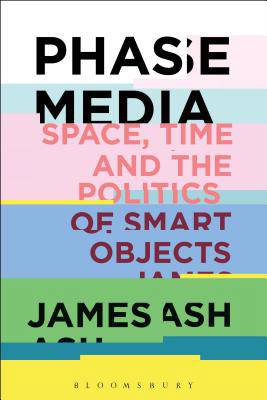
In Phase Media, James Ash theorizes how smart objects, understood as Internet-connected and sensor-enabled devices, are altering users' experience of their environment. Rather than networks connected by lines of transmission, smart objects generate phases, understood as space-times that modulate the spatio-temporal intelligibility of both humans and non-humans. Examining a range of objects and services from the Apple Watch to Nest Cam to Uber, Ash suggests that the modulation of spatio-temporal intelligibility is partly shaped by the commercial logics of the industries that design and manufacture smart objects, but can also exceed them.
Drawing upon the work of Martin Heidegger, Gilbert Simondon and Bruno Latour, Ash argues that smart objects have their own phase politics, which offer opportunities for new forms of public to emerge. Phase Media develops a conceptual vocabulary to contend that smart objects do more than just enabling a world of increased corporate control and surveillance, as they also provide the tools to expose and re-order the very logics and procedures that created them.Specificaties
Betrokkenen
- Auteur(s):
- Uitgeverij:
Inhoud
- Aantal bladzijden:
- 224
- Taal:
- Engels
Eigenschappen
- Productcode (EAN):
- 9781501335600
- Verschijningsdatum:
- 14/12/2017
- Uitvoering:
- Hardcover
- Formaat:
- Genaaid
- Afmetingen:
- 152 mm x 229 mm
- Gewicht:
- 467 g


Alleen bij Standaard Boekhandel
+ 593 punten op je klantenkaart van Standaard Boekhandel
CADEAU

AANGERADEN


Beoordelingen
We publiceren alleen reviews die voldoen aan de voorwaarden voor reviews. Bekijk onze voorwaarden voor reviews.