


- Afhalen na 1 uur in een winkel met voorraad
- Gratis thuislevering in België vanaf € 30
- Ruim aanbod met 7 miljoen producten
- Afhalen na 1 uur in een winkel met voorraad
- Gratis thuislevering in België vanaf € 30
- Ruim aanbod met 7 miljoen producten





€ 55,45
+ 110 punten
Omschrijving
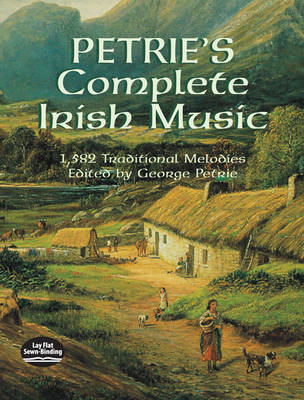
Edward Bunting fell into his destiny when, at the age of 19, he was commissioned to write down the tunes performed at a gathering of traditional harp players in Belfast in July 1792. This assignment marked the beginning of a 100-year process of enormous importance: the preservation of a country's music, which otherwise might be lost forever. In time, Bunting passed the torch to apprentice George Petrie who, in turn, became instrumental in founding the Society for the Preservation and Publication of the Melodies of Ireland, which published Petrie's first collection in 1855. Petrie's daughter subsequently entrusted the much-honored Sir Charles Stanford with three bound volumes of her father's work, leading to the ultimate compilation, published in 1905, of 1,582 traditional melodies -- the musical wealth of a nation.
Specificaties
Betrokkenen
- Auteur(s):
- Uitgeverij:
Inhoud
- Aantal bladzijden:
- 397
- Taal:
- Engels
- Reeks:
Eigenschappen
- Productcode (EAN):
- 9780486430805
- Verschijningsdatum:
- 17/07/2012
- Uitvoering:
- Paperback
- Formaat:
- Ongenaaid / garenloos gebonden
- Afmetingen:
- 214 mm x 276 mm
- Gewicht:
- 1011 g


Alleen bij Standaard Boekhandel
+ 110 punten op je klantenkaart van Standaard Boekhandel
Cadeau

AANGERADEN


Beoordelingen
We publiceren alleen reviews die voldoen aan de voorwaarden voor reviews. Bekijk onze voorwaarden voor reviews.