


- Afhalen na 1 uur in een winkel met voorraad
- Gratis thuislevering in België vanaf € 30
- Ruim aanbod met 7 miljoen producten
- Afhalen na 1 uur in een winkel met voorraad
- Gratis thuislevering in België vanaf € 30
- Ruim aanbod met 7 miljoen producten





€ 91,95
+ 183 punten
Eenvoudig bestellen
Veilig betalen


Gratis thuislevering vanaf € 30 (via bpost)
Gratis levering in je Standaard Boekhandel
Omschrijving
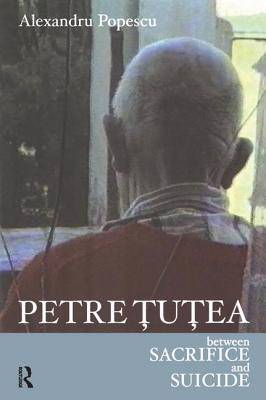
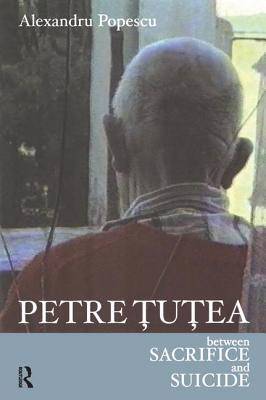
Petre Tutea (1902-91) was one of the outstanding Christian dissident intellectuals of the Communist era in Eastern Europe. Revered as a saint by some, he spent thirteen years as a prisoner of conscience and twenty-eight years under house arrest at the hands of the Securitate. This book explores his unique response to the horrors of torture and 're-education' and reveals the experience of a whole generation detained in the political prisons. Tutea's understanding of human needs and how they can be fulfilled even amidst extreme adversity not only reflects huge learning and great brilliance of mind, but also offers a spiritual vision grounded in personal experience of the Romanian Gulag. Following the fall of the Ceausescus, he has begun to emerge as a significant contributor to ecumenical Christian discourse and to understanding of wider issues of truth and reconciliation in the contemporary world.  As Tutea's pupil and scribe for twelve years, as a psychiatrist, and as a theologian, Alexandru Popescu is uniquely placed to present the work of this twentieth-century Confessor of the faith. Drawing on bibliographical sources which include unpublished or censored manuscripts and personal conversations with Tutea and with other prisoners of conscience in Romania, Popescu presents extensive translations of Tutea, which make his thought accessible to the English-speaking reader for the first time.  Through his stature as a human being and his authority as a thinker, Petre Tutea challenges us to question many of our assumptions. The choice he presents between 'sacrifice' and 'moral suicide' focuses us on the very essence of religion and human personhood. Resisting any ultimate separation of theology and spirituality, his work affirms hope and love as the sole ground upon which truth can be based. At the same time, hope and love are not mere ideal emotions, but are known and lived in engagement with the real world - in politics, economics, science, ecol
Specificaties
Betrokkenen
- Auteur(s):
- Uitgeverij:
Inhoud
- Aantal bladzijden:
- 368
- Taal:
- Engels
Eigenschappen
- Productcode (EAN):
- 9780754650065
- Verschijningsdatum:
- 20/02/2004
- Uitvoering:
- Paperback
- Formaat:
- Trade paperback (VS)
- Afmetingen:
- 156 mm x 234 mm
- Gewicht:
- 512 g


Alleen bij Standaard Boekhandel
+ 183 punten op je klantenkaart van Standaard Boekhandel
CADEAU

AANGERADEN


Beoordelingen
We publiceren alleen reviews die voldoen aan de voorwaarden voor reviews. Bekijk onze voorwaarden voor reviews.