


- Afhalen na 1 uur in een winkel met voorraad
- Gratis thuislevering in België vanaf € 30
- Ruim aanbod met 7 miljoen producten
- Afhalen na 1 uur in een winkel met voorraad
- Gratis thuislevering in België vanaf € 30
- Ruim aanbod met 7 miljoen producten





€ 181,95
+ 363 punten
Uitvoering
Eenvoudig bestellen
Veilig betalen


Gratis thuislevering vanaf € 30 (via bpost)
Gratis levering in je Standaard Boekhandel
Omschrijving
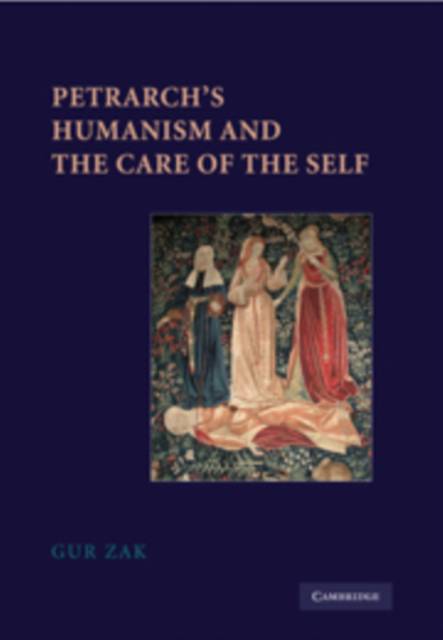
Petrarch was one of the founding fathers of Renaissance humanism, yet the nature and significance of his ideas are still widely debated. In this book, Gur Zak examines two central issues in Petrarch's works - his humanist philosophy and his concept of the self. Zak argues that both are defined by Petrarch's idea of care for the self. Overcome by a strong sense of fragmentation, Petrarch turned to the ancient idea that philosophy can bring harmony and wholeness to the soul through the use of spiritual exercises in the form of writing. Examining his vernacular poetry and his Latin works from both literary and historical perspectives, Zak explores Petrarch's attempts to use writing as a spiritual exercise, how his spiritual techniques absorbed and transformed ancient and medieval traditions of writing, and the tensions that arose from his efforts to care for the self through writing.
Specificaties
Betrokkenen
- Auteur(s):
- Uitgeverij:
Inhoud
- Aantal bladzijden:
- 190
- Taal:
- Engels
Eigenschappen
- Productcode (EAN):
- 9780521114677
- Verschijningsdatum:
- 17/05/2010
- Uitvoering:
- Hardcover
- Formaat:
- Ongenaaid / garenloos gebonden
- Afmetingen:
- 155 mm x 229 mm
- Gewicht:
- 385 g


Alleen bij Standaard Boekhandel
+ 363 punten op je klantenkaart van Standaard Boekhandel
CADEAU

AANGERADEN


Beoordelingen
We publiceren alleen reviews die voldoen aan de voorwaarden voor reviews. Bekijk onze voorwaarden voor reviews.