


- Afhalen na 1 uur in een winkel met voorraad
- Gratis thuislevering in België vanaf € 30
- Ruim aanbod met 7 miljoen producten
- Afhalen na 1 uur in een winkel met voorraad
- Gratis thuislevering in België vanaf € 30
- Ruim aanbod met 7 miljoen producten





Omschrijving
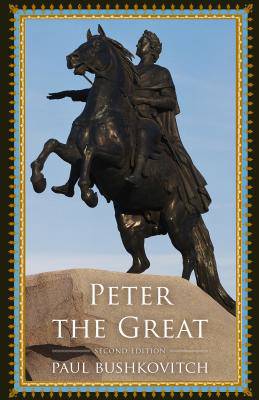
Centuries after he ruled Russia from 1689 to 1725, Peter the Great remains one of the most revered and enigmatic leaders in world history. Now in a new edition, this penetrating study by noted Yale historian Paul Bushkovitch casts new light on Peter and his times, and demonstrates why it is impossible to comprehend the later course of Russian history without first grasping Peter's profound influence. Bushkovitch illustrates how Peter, during his thirty-six years as tsar, transformed his country into a modern nation--he strengthened the state, reorganized the army, established a navy, and conquered new territories. In addition to these momentous achievements, Peter changed the face of the Russian character by introducing European culture, scientific innovations, and political thought to Russia. His influence ultimately paved the way for liberalism, Western-style nationalism, and communism. In the end, neither his contemporaries nor generations of future historians can agree on how Peter should be remembered: was he a heroic reformer who brought Russia into the modern age, or a violent despot who valued the ideas of foreigners over Russian heritage?
Specificaties
Betrokkenen
- Auteur(s):
- Uitgeverij:
Inhoud
- Aantal bladzijden:
- 174
- Taal:
- Engels
- Reeks:
Eigenschappen
- Productcode (EAN):
- 9781442254619
- Verschijningsdatum:
- 14/01/2016
- Uitvoering:
- Hardcover
- Formaat:
- Genaaid
- Afmetingen:
- 140 mm x 218 mm
- Gewicht:
- 317 g


Alleen bij Standaard Boekhandel
+ 373 punten op je klantenkaart van Standaard Boekhandel
Cadeau

AANGERADEN


Beoordelingen
We publiceren alleen reviews die voldoen aan de voorwaarden voor reviews. Bekijk onze voorwaarden voor reviews.