


- Afhalen na 1 uur in een winkel met voorraad
- Gratis thuislevering in België vanaf € 30
- Ruim aanbod met 7 miljoen producten
- Afhalen na 1 uur in een winkel met voorraad
- Gratis thuislevering in België vanaf € 30
- Ruim aanbod met 7 miljoen producten





€ 229,95
+ 459 punten
Eenvoudig bestellen
Veilig betalen


Gratis thuislevering vanaf € 30 (via bpost)
Gratis levering in je Standaard Boekhandel
Omschrijving
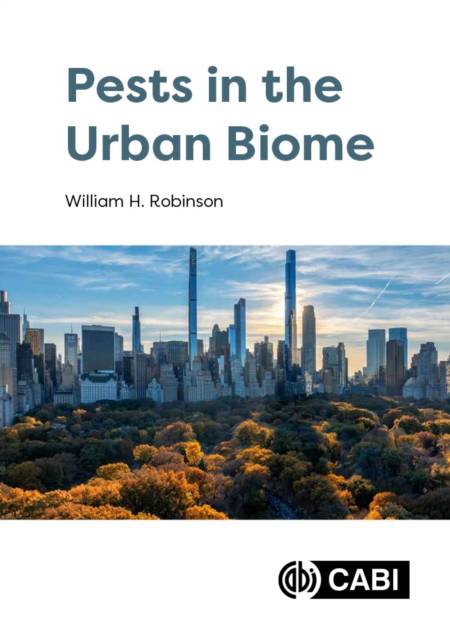
Pests in the Urban Biome brings together the separate disciplines of urban entomology, urban wildlife studies, rodent biology and control, medical entomology, and plant ecology into one biogeographic space - the urban biome. The concept of the urban biome is defined and the scope and importance of this built biome is presented. The urban biome concept represents a broad change that will facilitate interdisciplinary research and will attract and encourage urban biologists. It brings together bioecological concepts, such as synanthropy, invasive species, and urban green and blue spaces, in one place.Written by one of the founding fathers of urban entomology, this book represents a paradigm change, defining a new approach to urban ecology and urban pest management. The objective of Pests in the Urban Biome is to serve as the basis of a new discipline to start an interdisciplinary discussion between scientists from a range of fields, and provide a rallying cry to researchers interested in the range of species that occur in and impact the global urban space.This book: Introduces the concept of urban environments as a single biome.Takes a new approach to understanding the species inhabiting and interacting in urban spacesCan be used as the basis of academic programmes and formal courses.
Specificaties
Betrokkenen
- Auteur(s):
- Uitgeverij:
Inhoud
- Aantal bladzijden:
- 184
- Taal:
- Engels
Eigenschappen
- Productcode (EAN):
- 9781800626393
- Verschijningsdatum:
- 19/12/2025
- Uitvoering:
- Hardcover
- Formaat:
- Genaaid
- Afmetingen:
- 170 mm x 244 mm
- Gewicht:
- 512 g


Alleen bij Standaard Boekhandel
+ 459 punten op je klantenkaart van Standaard Boekhandel
CADEAU

AANGERADEN


Beoordelingen
We publiceren alleen reviews die voldoen aan de voorwaarden voor reviews. Bekijk onze voorwaarden voor reviews.