


- Afhalen na 1 uur in een winkel met voorraad
- Gratis thuislevering in België vanaf € 30
- Ruim aanbod met 7 miljoen producten
- Afhalen na 1 uur in een winkel met voorraad
- Gratis thuislevering in België vanaf € 30
- Ruim aanbod met 7 miljoen producten





€ 203,95
+ 407 punten
Uitvoering
Omschrijving
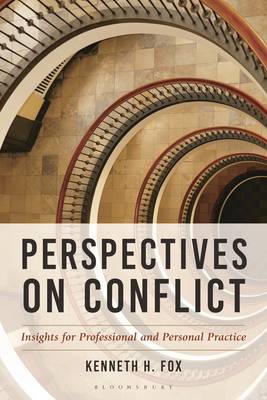
This multi-perspective examination provides deep insight into the many ways people can better understand conflict, with practical application to various roles and settings.
Kenneth H. Fox provides a broadly interdisciplinary examination of conflict insights and dives into implications of how this can inform more reflective, insightful, and comprehensive conflict practice across a range of professional and personal settings. While the book is grounded in theory, it is written to be practical and accessible to students and practitioners.
The book is organized into 3 parts. Part 1 introduces several metaphors that help the reader envision conflict in complementary ways and examines the importance of adopting multiple perspectives for broadening insights into conflict. It also introduces technical language that helps clarify the implications of conflict intervention and invites the readers to appreciate and engage in reflective and reflexive conflict practice.
Part 2 examines sample conflict theories from six, broad disciplinary perspectives: the body; the non-conscious mind; the strategic mind; language and symbols; the co-creation of meaning; and social systems, structures, and the conflict ecosystem. Together, these 6 perspectives help provide a holistic sense of the conflicts we experience. Part 3 shifts focus to practical application of the insights examined. It discusses how the various perspectives impact the work of a conflict practitioner in general as well as particular practice roles and settings.
Kenneth H. Fox provides a broadly interdisciplinary examination of conflict insights and dives into implications of how this can inform more reflective, insightful, and comprehensive conflict practice across a range of professional and personal settings. While the book is grounded in theory, it is written to be practical and accessible to students and practitioners.
The book is organized into 3 parts. Part 1 introduces several metaphors that help the reader envision conflict in complementary ways and examines the importance of adopting multiple perspectives for broadening insights into conflict. It also introduces technical language that helps clarify the implications of conflict intervention and invites the readers to appreciate and engage in reflective and reflexive conflict practice.
Part 2 examines sample conflict theories from six, broad disciplinary perspectives: the body; the non-conscious mind; the strategic mind; language and symbols; the co-creation of meaning; and social systems, structures, and the conflict ecosystem. Together, these 6 perspectives help provide a holistic sense of the conflicts we experience. Part 3 shifts focus to practical application of the insights examined. It discusses how the various perspectives impact the work of a conflict practitioner in general as well as particular practice roles and settings.
Specificaties
Betrokkenen
- Auteur(s):
- Uitgeverij:
Inhoud
- Aantal bladzijden:
- 216
- Taal:
- Engels
- Reeks:
Eigenschappen
- Productcode (EAN):
- 9781538186879
- Verschijningsdatum:
- 8/01/2026
- Uitvoering:
- Hardcover
- Formaat:
- Genaaid
- Afmetingen:
- 152 mm x 229 mm
- Gewicht:
- 453 g


Alleen bij Standaard Boekhandel
+ 407 punten op je klantenkaart van Standaard Boekhandel
Cadeau

AANGERADEN


Beoordelingen
We publiceren alleen reviews die voldoen aan de voorwaarden voor reviews. Bekijk onze voorwaarden voor reviews.