


- Afhalen na 1 uur in een winkel met voorraad
- Gratis thuislevering in België vanaf € 30
- Ruim aanbod met 7 miljoen producten
- Afhalen na 1 uur in een winkel met voorraad
- Gratis thuislevering in België vanaf € 30
- Ruim aanbod met 7 miljoen producten





€ 67,45
+ 134 punten
Omschrijving
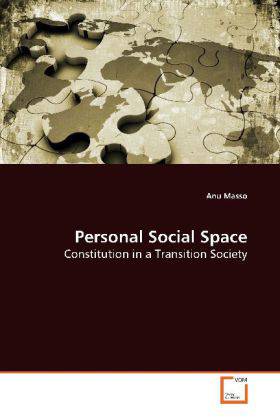
Over the last decades, social space as a field of
study has developed rapidly. The
emergence and accessibility of digital information
and communication technology networks and the
blurring of former geographical barriers are changes
that the media studies must cope with.
This book, therefore, aims to contribute to the
discussions on this new and exciting field
geographies of communications. The objective of this
work is to trace the socio-cultural transition in
post-Soviet Estonia through the prism of personal
social space. This work draws on various theories
from sociology, media and communication studies, and
cultural geography. The empirical studies made within
this work could be divided into three parts. The
first part concentrates on the general tendencies in
spatial relationships and on opening of personal
social space in a transition society. The second part
investigates geo-cultural solidarities. The third
part concentrates on the role of foreign languages
shaping personal social space.
This book should be especially useful to
professionals in Media and Communication fields and
in Geography, or anyone else who may be interested in
issues of social space.
study has developed rapidly. The
emergence and accessibility of digital information
and communication technology networks and the
blurring of former geographical barriers are changes
that the media studies must cope with.
This book, therefore, aims to contribute to the
discussions on this new and exciting field
geographies of communications. The objective of this
work is to trace the socio-cultural transition in
post-Soviet Estonia through the prism of personal
social space. This work draws on various theories
from sociology, media and communication studies, and
cultural geography. The empirical studies made within
this work could be divided into three parts. The
first part concentrates on the general tendencies in
spatial relationships and on opening of personal
social space in a transition society. The second part
investigates geo-cultural solidarities. The third
part concentrates on the role of foreign languages
shaping personal social space.
This book should be especially useful to
professionals in Media and Communication fields and
in Geography, or anyone else who may be interested in
issues of social space.
Specificaties
Betrokkenen
- Auteur(s):
- Uitgeverij:
Inhoud
- Aantal bladzijden:
- 184
- Taal:
- Engels
Eigenschappen
- Productcode (EAN):
- 9783639151312
- Uitvoering:
- Paperback
- Afmetingen:
- 220


Alleen bij Standaard Boekhandel
+ 134 punten op je klantenkaart van Standaard Boekhandel
AANGERADEN


Beoordelingen
We publiceren alleen reviews die voldoen aan de voorwaarden voor reviews. Bekijk onze voorwaarden voor reviews.