



Je cadeautjes zeker op tijd in huis hebben voor de feestdagen? Kom langs in onze winkels en vind het perfecte geschenk!
- Afhalen na 1 uur in een winkel met voorraad
- Gratis thuislevering in België vanaf € 30
- Ruim aanbod met 7 miljoen producten
Je cadeautjes zeker op tijd in huis hebben voor de feestdagen? Kom langs in onze winkels en vind het perfecte geschenk!
- Afhalen na 1 uur in een winkel met voorraad
- Gratis thuislevering in België vanaf € 30
- Ruim aanbod met 7 miljoen producten





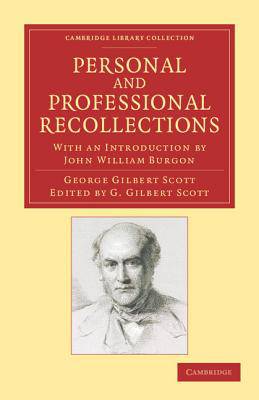
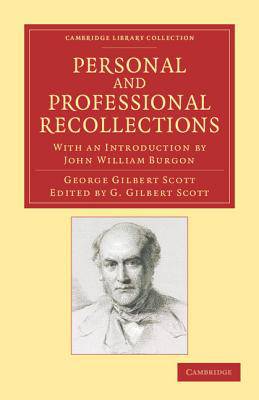
Personal and Professional Recollections
With an Introduction by John William Burgon
George Gilbert Scott, John William Burgon
€ 95,45
+ 190 punten
Omschrijving
One of the leading exponents of the nineteenth century's Gothic Revival, the architect Sir George Gilbert Scott (1811-78) most famously designed the Albert Memorial in Kensington Gardens and the Midland Grand Hotel at St Pancras. In the design and restoration of churches and cathedrals, his work was distinguished by its care, skill and sheer volume: most medieval cathedrals in England and Wales, including Westminster Abbey, benefited from Scott's expertise in some form. Written between 1864 and his death, then edited by his son and fellow architect George Gilbert Scott (1839-97), this 1879 autobiography was among the first of its kind, recording the background, career and opinions of a prolific professional architect. Moreover, the work includes a defence of Scott's principles against what he saw as the 'anti-restoration movement', led by John Ruskin and others. Altogether, these lucid memoirs confirm Scott's place at the centre of Victorian design.
Specificaties
Betrokkenen
- Auteur(s):
- Uitgeverij:
Inhoud
- Aantal bladzijden:
- 464
- Taal:
- Engels
- Reeks:
Eigenschappen
- Productcode (EAN):
- 9781108064545
- Verschijningsdatum:
- 22/08/2013
- Uitvoering:
- Paperback
- Formaat:
- Trade paperback (VS)
- Afmetingen:
- 140 mm x 216 mm
- Gewicht:
- 585 g


Alleen bij Standaard Boekhandel
+ 190 punten op je klantenkaart van Standaard Boekhandel
CADEAU


Beoordelingen
We publiceren alleen reviews die voldoen aan de voorwaarden voor reviews. Bekijk onze voorwaarden voor reviews.