


- Afhalen na 1 uur in een winkel met voorraad
- Gratis thuislevering in België vanaf € 30
- Ruim aanbod met 7 miljoen producten
- Afhalen na 1 uur in een winkel met voorraad
- Gratis thuislevering in België vanaf € 30
- Ruim aanbod met 7 miljoen producten





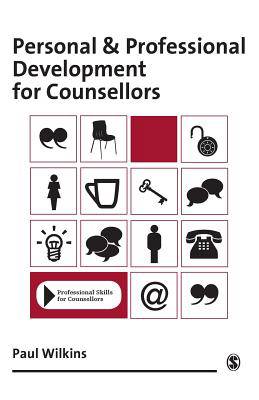
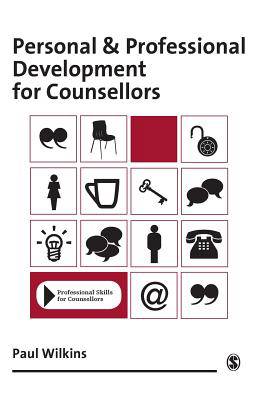
Personal and Professional Development for Counsellors
Paul Wilkins
€ 125,45
+ 250 punten
Omschrijving
Personal and professional development are seen by most professional organizations as essential to continued good practice in therapy. This book explores just what is meant by personal and professional development and why it is so important for therapists to continually assess and fulfill their own needs both for their own well-being and in order to provide a better service for their clients. Author Paul Wilkins describes how therapists can identify and address gaps in their training; assesses the range, value and availability of short and advanced training courses; and encourages therapists to expand their skills into areas they might not previously have considered. The book shows how therapists can best prepare for the accreditation process, and stresses the importance of keeping up to date with major issues such as ethics and the law, as well as addressing their own attitudes to race, culture, gender, and age. Important chapters consider the value and effectiveness of personal therapy and highlight other ways in which therapists can look after, refresh, and maintain themselves in a state fit to practice. Wilkins stresses the importance of supervision and considers how therapists can contribute to the advancement of understanding counseling theory and practice. His emphasis throughout is that continuing development need not necessarily be expensive, and that therapists can make, monitor, and evaluate their own programs for self-development. Eminently practical and highly readable, this book will be an invaluable resource for newly qualifying and practicing therapists who are seeking a pathway through the maze of professional development and wishing to establish a program for their own self-development.
Specificaties
Betrokkenen
- Auteur(s):
- Uitgeverij:
Inhoud
- Aantal bladzijden:
- 184
- Taal:
- Engels
- Reeks:
Eigenschappen
- Productcode (EAN):
- 9780803974630
- Verschijningsdatum:
- 10/02/1997
- Uitvoering:
- Paperback
- Formaat:
- Trade paperback (VS)
- Afmetingen:
- 134 mm x 199 mm
- Gewicht:
- 213 g


Alleen bij Standaard Boekhandel
+ 250 punten op je klantenkaart van Standaard Boekhandel
Cadeau

AANGERADEN


Beoordelingen
We publiceren alleen reviews die voldoen aan de voorwaarden voor reviews. Bekijk onze voorwaarden voor reviews.