



- Afhalen na 1 uur in een winkel met voorraad
- In januari gratis thuislevering in België
- Ruim aanbod met 7 miljoen producten
- Afhalen na 1 uur in een winkel met voorraad
- In januari gratis thuislevering in België
- Ruim aanbod met 7 miljoen producten





Omschrijving
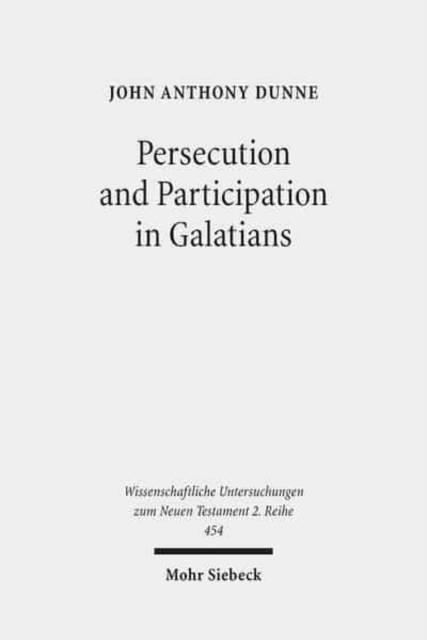
In his letter to the Galatians, Paul writes that his Gentile audience should not illegitimately appropriate Jewish customs, especially circumcision. As a way to understand why Paul deems circumcision in this context to be so egregious, being a matter of apostasy rather than simply an adiaphoron, John Anthony Dunne argues that the themes of suffering and persecution point to the coercive nature of the conflict in Galatia. What is at stake for Paul is allegiance to the crucified Christ. Due to the realities inaugurated by the Christ-event and the implications of participating in the Messiah's death and resurrection, suffering for the sake of the cross is to be endured instead of succumbing to the compulsion to be circumcised. Suffering persecution, rather than receiving circumcision, demarcates the true people of God who are set apart in Christ for future blessing and vindication.
Specificaties
Betrokkenen
- Auteur(s):
- Uitgeverij:
Inhoud
- Aantal bladzijden:
- 248
- Taal:
- Engels
- Reeks:
- Reeksnummer:
- nr. 454
Eigenschappen
- Productcode (EAN):
- 9783161554179
- Verschijningsdatum:
- 1/11/2017
- Uitvoering:
- Paperback
- Formaat:
- Trade paperback (VS)
- Afmetingen:
- 155 mm x 231 mm
- Gewicht:
- 408 g


Alleen bij Standaard Boekhandel
+ 197 punten op je klantenkaart van Standaard Boekhandel
Cadeau

AANGERADEN


Beoordelingen
We publiceren alleen reviews die voldoen aan de voorwaarden voor reviews. Bekijk onze voorwaarden voor reviews.