


- Afhalen na 1 uur in een winkel met voorraad
- Gratis thuislevering in België vanaf € 30
- Ruim aanbod met 7 miljoen producten
- Afhalen na 1 uur in een winkel met voorraad
- Gratis thuislevering in België vanaf € 30
- Ruim aanbod met 7 miljoen producten





€ 183,45
+ 366 punten
Omschrijving
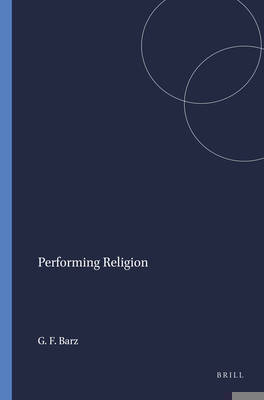
Performing Religion considers issues related to Tanzanian kwayas [KiSwahili, "choirs"], musical communities most often affiliated with Christian churches, and the music they make, known as nyimbo za kwaya [choir songs] or muziki wa kwaya [choir music]. The analytical approach adopted in this text focusing on the communities of kwaya is one frequently used in the fields of ethnomusicology, religious studies, culture studies, and philosophy for understanding diversified social processes-consciousness. By invoking consciousness an attempt is made to represent the ways seemingly disparate traditions coexist, thrive, and continue within contemporary kwaya performance.
An East African kwaya is a community that gathers several times each week to define its spirituality musically. Members of kwayas come together to sing, to pray, to support individual members in times of need, and to both learn and pass along new and inherited faith traditions. Kwayas negotiate between multiple musical traditions or just as often they reject an inherited musical system while others may continue to engage musical repertoires from both Europe and Africa. Contemporary kwayas comfortably coexist in the urban musical soundscape of coastal Dar es Salaam along with jazz dance bands, taarab ensembles, ngoma performance groups, Hindi film music, rap, reggae, and the constant influx of recorded American and European popular musics.
This ethnography calls into question terms frequently used to draw tight boundaries around the study of the arts in African expressive religious cultures. Such divisions of the arts present well-defended boundaries and borders that are not sufficient for understanding the change, adaptation, preservation, and integration that occur within a Tanzanian kwaya. Boundaries break down within the everyday performance of East African kwayas, such as Kwaya ya Upendo ["The Love Choir"] in Dar es Salaam, as repertoires, traditions, histories, and cultures interact within a performance of social identity.
An East African kwaya is a community that gathers several times each week to define its spirituality musically. Members of kwayas come together to sing, to pray, to support individual members in times of need, and to both learn and pass along new and inherited faith traditions. Kwayas negotiate between multiple musical traditions or just as often they reject an inherited musical system while others may continue to engage musical repertoires from both Europe and Africa. Contemporary kwayas comfortably coexist in the urban musical soundscape of coastal Dar es Salaam along with jazz dance bands, taarab ensembles, ngoma performance groups, Hindi film music, rap, reggae, and the constant influx of recorded American and European popular musics.
This ethnography calls into question terms frequently used to draw tight boundaries around the study of the arts in African expressive religious cultures. Such divisions of the arts present well-defended boundaries and borders that are not sufficient for understanding the change, adaptation, preservation, and integration that occur within a Tanzanian kwaya. Boundaries break down within the everyday performance of East African kwayas, such as Kwaya ya Upendo ["The Love Choir"] in Dar es Salaam, as repertoires, traditions, histories, and cultures interact within a performance of social identity.
Specificaties
Betrokkenen
- Auteur(s):
- Uitgeverij:
Inhoud
- Aantal bladzijden:
- 244
- Taal:
- Engels
- Reeks:
- Reeksnummer:
- nr. 42
Eigenschappen
- Productcode (EAN):
- 9789042008274
- Verschijningsdatum:
- 1/01/2003
- Uitvoering:
- Hardcover
- Formaat:
- Genaaid
- Afmetingen:
- 155 mm x 235 mm
- Gewicht:
- 675 g


Alleen bij Standaard Boekhandel
+ 366 punten op je klantenkaart van Standaard Boekhandel
CADEAU


Beoordelingen
We publiceren alleen reviews die voldoen aan de voorwaarden voor reviews. Bekijk onze voorwaarden voor reviews.