


- Afhalen na 1 uur in een winkel met voorraad
- Gratis thuislevering in België vanaf € 30
- Ruim aanbod met 7 miljoen producten
- Afhalen na 1 uur in een winkel met voorraad
- Gratis thuislevering in België vanaf € 30
- Ruim aanbod met 7 miljoen producten





€ 122,45
+ 244 punten
Uitvoering
Eenvoudig bestellen
Veilig betalen


Gratis thuislevering vanaf € 30 (via bpost)
Gratis levering in je Standaard Boekhandel
Omschrijving
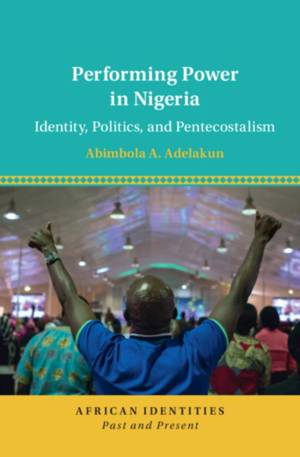
For decades, Pentecostalism has been one of the most powerful socio-cultural and socio-political movements in Africa. The Pentecostal modes of constructing the world by using their performative agencies to embed their rites in social processes have imbued them with immense cultural power to contour the character of their societies. Performing Power in Nigeria explores how Nigerian Pentecostals mark their self-distinction as a people of power within a social milieu that affirmed and contested their desires for being. Their faith, and the various performances that inform it, imbue the social matrix with saliences that also facilitate their identity of power. Using extensive archival material, interviews and fieldwork, Abimbola A. Adelakun questions the histories, desires, knowledge, tools, and innate divergences of this form of identity, and its interactions with the other ideological elements that make up the society. Analysing the important developments in contemporary Nigerian Pentecostalism, she demonstrates how the social environment is being transformed by the Pentecostal performance of their identity as the people of power.
Specificaties
Betrokkenen
- Auteur(s):
- Uitgeverij:
Inhoud
- Aantal bladzijden:
- 298
- Taal:
- Engels
- Reeks:
Eigenschappen
- Productcode (EAN):
- 9781108831079
- Verschijningsdatum:
- 11/11/2021
- Uitvoering:
- Hardcover
- Formaat:
- Genaaid
- Afmetingen:
- 152 mm x 229 mm
- Gewicht:
- 566 g


Alleen bij Standaard Boekhandel
+ 244 punten op je klantenkaart van Standaard Boekhandel
CADEAU

AANGERADEN


Beoordelingen
We publiceren alleen reviews die voldoen aan de voorwaarden voor reviews. Bekijk onze voorwaarden voor reviews.