


- Afhalen na 1 uur in een winkel met voorraad
- Gratis thuislevering in België vanaf € 30
- Ruim aanbod met 7 miljoen producten
- Afhalen na 1 uur in een winkel met voorraad
- Gratis thuislevering in België vanaf € 30
- Ruim aanbod met 7 miljoen producten





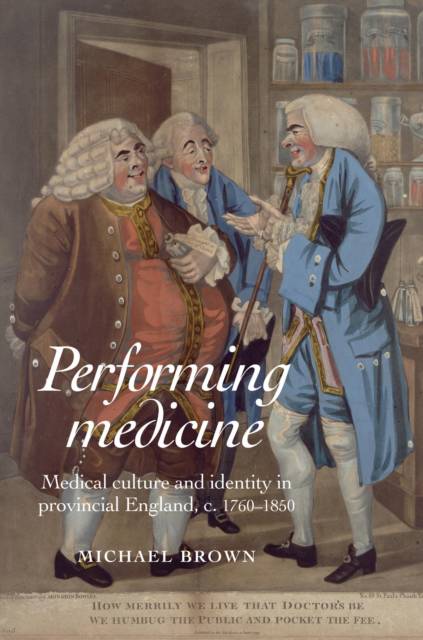
Performing Medicine
Medical Culture and Identity in Provincial England, C.1760-1850
Michael Brown
Paperback | Engels
€ 48,45
+ 96 punten
Omschrijving
When did medicine become modern? This book takes a fresh look at one of the most important questions in the history of medicine. It explores how the cultures, values and meanings of medicine were transformed across the late eighteenth and early nineteenth centuries as its practitioners came to submerge their local identities as urbane and learned gentlemen into the ideal of a nationwide and scientifically-based medical profession. Moving beyond traditional accounts of professionalisation, it demonstrates how visions of what medicine was and might be were shaped by wider social and political forces, from the eighteenth-century values of civic gentility to the radical and socially progressive ideologies of the age of reform. Focusing on the provincial English city of York, it draws on a rich and wide-ranging archival record, including letters, diaries, newspapers and portraits, to reveal how these changes took place at the level of everyday practice, experience and representation.
Specificaties
Betrokkenen
- Auteur(s):
- Uitgeverij:
Inhoud
- Aantal bladzijden:
- 268
- Taal:
- Engels
Eigenschappen
- Productcode (EAN):
- 9780719095573
- Verschijningsdatum:
- 31/03/2014
- Uitvoering:
- Paperback
- Formaat:
- Trade paperback (VS)
- Afmetingen:
- 156 mm x 234 mm
- Gewicht:
- 376 g


Alleen bij Standaard Boekhandel
+ 96 punten op je klantenkaart van Standaard Boekhandel
Cadeau

AANGERADEN


Beoordelingen
We publiceren alleen reviews die voldoen aan de voorwaarden voor reviews. Bekijk onze voorwaarden voor reviews.