



Je cadeautjes zeker op tijd in huis hebben voor de feestdagen? Kom langs in onze winkels en vind het perfecte geschenk!
- Afhalen na 1 uur in een winkel met voorraad
- Gratis thuislevering in België vanaf € 30
- Ruim aanbod met 7 miljoen producten
Je cadeautjes zeker op tijd in huis hebben voor de feestdagen? Kom langs in onze winkels en vind het perfecte geschenk!
- Afhalen na 1 uur in een winkel met voorraad
- Gratis thuislevering in België vanaf € 30
- Ruim aanbod met 7 miljoen producten





€ 187,45
+ 374 punten
Omschrijving
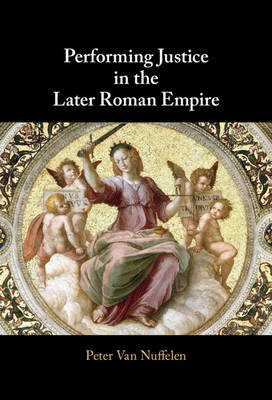
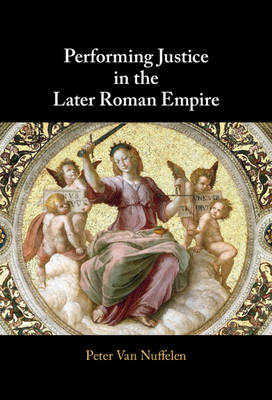
In the Later Roman Empire (AD 300-650), power seems to manifest itself mostly through legislation, bureaucracy, and an increasingly distant emperor. This book focuses instead on personal interaction as crucial to the exercise of power. It studies four social practices (petitions, parrhesia, intercession, and collective action) to show how they are much more dynamic than often assumed. These practices were guided by strong expectations of justice, which constrained the actions of superiors. They therefore allowed the socially inferior to develop strategies of conduct that could force the hand of the superior and, in extreme cases, lead to overturning hierarchical relations. Building on the analysis of these specific forms of interaction, the book argues for an understanding of late antique power rooted in the character and virtue of those invested with it.
Specificaties
Betrokkenen
- Auteur(s):
- Uitgeverij:
Inhoud
- Aantal bladzijden:
- 162
- Taal:
- Engels
Eigenschappen
- Productcode (EAN):
- 9781009603669
- Verschijningsdatum:
- 21/08/2025
- Uitvoering:
- Hardcover
- Formaat:
- Genaaid
- Afmetingen:
- 152 mm x 229 mm
- Gewicht:
- 385 g


Alleen bij Standaard Boekhandel
+ 374 punten op je klantenkaart van Standaard Boekhandel
CADEAU


Beoordelingen
We publiceren alleen reviews die voldoen aan de voorwaarden voor reviews. Bekijk onze voorwaarden voor reviews.