


- Afhalen na 1 uur in een winkel met voorraad
- Gratis thuislevering in België vanaf € 30
- Ruim aanbod met 7 miljoen producten
- Afhalen na 1 uur in een winkel met voorraad
- Gratis thuislevering in België vanaf € 30
- Ruim aanbod met 7 miljoen producten





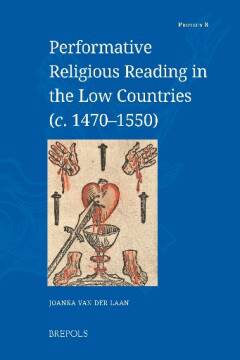
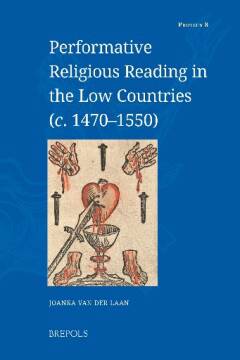
Performative Religious Reading in the Low Countries (C. 1470-1550)
Joanka Van Der Laan
€ 127,20
+ 254 punten
Omschrijving
'Use your imagination, visualize details, activate your emotions and employ your body.' Late medieval devotional literature demanded readers to actively involve themselves in mental and/or physical performances, in which they were to take up the role of witness or even participant in the story. This practice of performative reading gives readers the opportunity to identify with Christ and grow in their spiritual life.This monograph studies the variety of techniques in late medieval devotional books that help readers to engage in performative reading. The source material concerns mostly printed material produced in the Low Countries in the late fifteenth and early sixteenth centuries. Challenging the persistent emphasis on the Reformation in research on the early sixteenth century, the results of this study reveal that older medieval devotional mechanisms continued to be enthusiastically embraced by ambitious, active lay men and women. The printing press ensured performative reading practices were widely disseminated, allowing the laity to actively participate in religious culture.
Specificaties
Betrokkenen
- Auteur(s):
- Uitgeverij:
Inhoud
- Aantal bladzijden:
- 392
- Taal:
- Engels
- Reeks:
- Reeksnummer:
- nr. 8
Eigenschappen
- Productcode (EAN):
- 9782503613765
- Verschijningsdatum:
- 2/05/2025
- Uitvoering:
- Hardcover
- Formaat:
- Genaaid
- Gewicht:
- 417 g


Alleen bij Standaard Boekhandel
+ 254 punten op je klantenkaart van Standaard Boekhandel
AANGERADEN


Beoordelingen
We publiceren alleen reviews die voldoen aan de voorwaarden voor reviews. Bekijk onze voorwaarden voor reviews.