


- Afhalen na 1 uur in een winkel met voorraad
- Gratis thuislevering in België vanaf € 30
- Ruim aanbod met 7 miljoen producten
- Afhalen na 1 uur in een winkel met voorraad
- Gratis thuislevering in België vanaf € 30
- Ruim aanbod met 7 miljoen producten





€ 47,70
+ 95 punten
Omschrijving
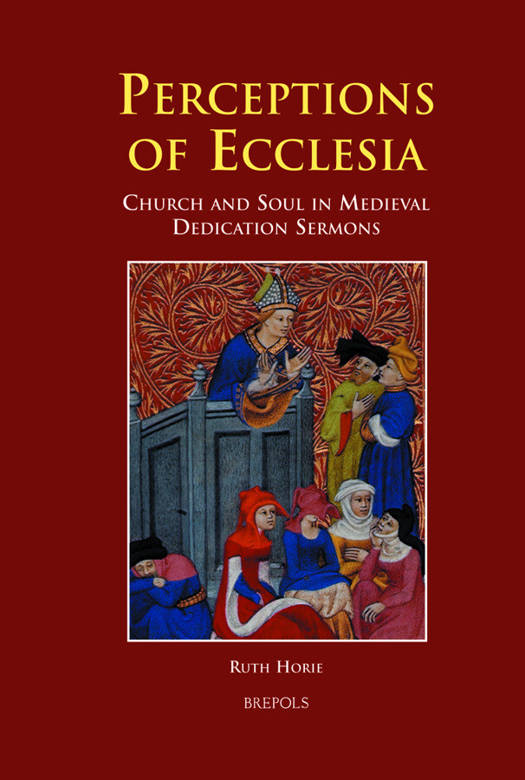
The medieval laity's understanding of the church and their own role within it was largely shaped by preaching. How did preachers actually define the word 'church', and what was the essence of their ecclesiological teachings? Sermons for the dedication of a church reveal that the term ecclesia had numerous connotations. Three key ideas recur with particular frequency: the material church, the Christian community, and the church of the soul. The physical church building held an important place in medieval society as a tangible connecting link between ordinary people on the one hand and saints, angels and the divine presence on the other. Yet perhaps more significantly, it stood as a symbol for the human soul. Preachers treat the dedication of the physical church as an elaborate metaphor for the spiritual consecration of the soul. The prominent interest in the concept of the soul as church, which is reflected in sermons, suggests a much more individual, less community-oriented focus in medieval spirituality than has been generally assumed.
Specificaties
Betrokkenen
- Auteur(s):
- Uitgeverij:
Inhoud
- Aantal bladzijden:
- 261
- Taal:
- Frans
- Reeks:
- Reeksnummer:
- nr. 2
Eigenschappen
- Productcode (EAN):
- 9782503520599
- Verschijningsdatum:
- 29/11/2006
- Uitvoering:
- Hardcover
- Formaat:
- Genaaid
- Afmetingen:
- 166 mm x 242 mm
- Gewicht:
- 621 g


Alleen bij Standaard Boekhandel
+ 95 punten op je klantenkaart van Standaard Boekhandel
Cadeau

AANGERADEN


Beoordelingen
We publiceren alleen reviews die voldoen aan de voorwaarden voor reviews. Bekijk onze voorwaarden voor reviews.