



Bedankt voor het vertrouwen het afgelopen jaar! Om jou te bedanken bieden we GRATIS verzending (in België) aan op alles gedurende de hele maand januari.
- Afhalen na 1 uur in een winkel met voorraad
- In januari gratis thuislevering in België
- Ruim aanbod met 7 miljoen producten
Bedankt voor het vertrouwen het afgelopen jaar! Om jou te bedanken bieden we GRATIS verzending (in België) aan op alles gedurende de hele maand januari.
- Afhalen na 1 uur in een winkel met voorraad
- In januari gratis thuislevering in België
- Ruim aanbod met 7 miljoen producten





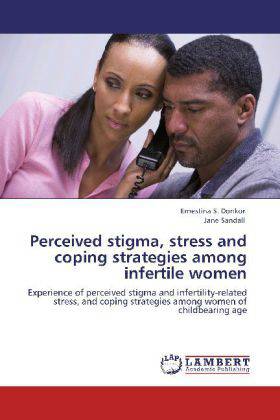
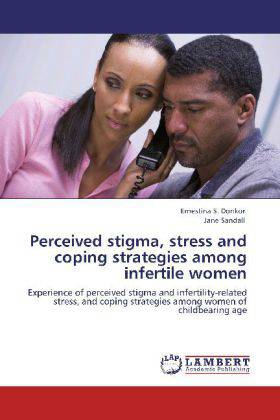
Perceived stigma, stress and coping strategies among infertile women
Experience of perceived stigma and infertility-related stress, and coping strategies among women of childbearing age
Ernestina S. Donkor, Jane Sandall
Paperback | Engels
€ 93,45
+ 186 punten
Omschrijving
Infertility is a health problem faced by women of childbearing age, but its effects on women s well-being have been the subject of little research attention. Even less is known about what may mediate those effects. Studies from other countries suggest that in a society that values fertility, women experience infertility as a stigmatising condition, which may contribute to their perceived level of infertility-related stress. This work investigated the extent women in Southern Ghana seeking infertility treatment perceived themselves as stigmatised, the relationship between perceived stigma and infertility-related stress, and whether other sources of social status mediated this relationship. The majority (64%) of women in this sample felt stigmatised. There was a strong positive relationship between perceived stigma and infertility-related stress. The observed relationship was mediated by the level of women s education, existing child/children, the number of years spent in infertility treatment and the type of marriage. In relation to coping strategies, women preferred to keep information about their infertility to themselves due to the stigma associated with the condition.
Specificaties
Betrokkenen
- Auteur(s):
- Uitgeverij:
Inhoud
- Aantal bladzijden:
- 488
- Taal:
- Engels
Eigenschappen
- Productcode (EAN):
- 9783846507179
- Verschijningsdatum:
- 6/03/2012
- Uitvoering:
- Paperback
- Afmetingen:
- 152 mm x 220 mm
- Gewicht:
- 708 g


Alleen bij Standaard Boekhandel
+ 186 punten op je klantenkaart van Standaard Boekhandel
SOLDEN


Beoordelingen
We publiceren alleen reviews die voldoen aan de voorwaarden voor reviews. Bekijk onze voorwaarden voor reviews.