


- Afhalen na 1 uur in een winkel met voorraad
- Gratis thuislevering in België vanaf € 30
- Ruim aanbod met 7 miljoen producten
- Afhalen na 1 uur in een winkel met voorraad
- Gratis thuislevering in België vanaf € 30
- Ruim aanbod met 7 miljoen producten





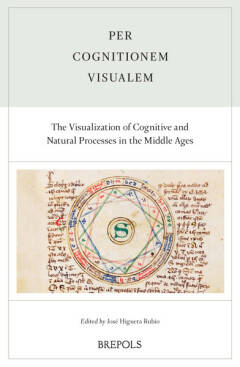
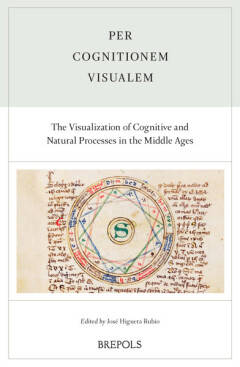
Per cognitionem visualem. The Visualization of Cognitive and Natural Processes in the Middle Ages
José Higuera Rubio
€ 79,50
+ 159 punten
Omschrijving
Visual representations were deeply involved in medieval traditions related to the dissemination and teaching of philosophy and science. Consequently, they were not only examples of theological or philosophical interpretation, but rather brought together manifold intellectual activities, illuminating various perceptual, cognitive, and spiritual concerns. Visual tools, which appear frequently in medieval manuscripts, have often been considered as "illustrative material" intended to facilitate the comprehension and interpretation of texts. These "visual aids" offer something more than a straightforward correspondence between a conceptual interpretation and its figurative depiction. They are, in fact, key to understanding the methods of acquiring and shaping knowledge through visual frameworks with didactical, disputational or heuristic purposes. The aim of this volume is to deepen our understanding of medieval visual tools that represented and demonstrated philosophical and scientific knowledge and, to an extent, the accumulation of empirical information.
Specificaties
Betrokkenen
- Auteur(s):
- Uitgeverij:
Inhoud
- Aantal bladzijden:
- 377
- Taal:
- Frans
- Reeks:
- Reeksnummer:
- nr. 27
Eigenschappen
- Productcode (EAN):
- 9782503603407
- Verschijningsdatum:
- 2/08/2023
- Uitvoering:
- Hardcover
- Formaat:
- Genaaid
- Afmetingen:
- 160 mm x 239 mm
- Gewicht:
- 739 g


Alleen bij Standaard Boekhandel
+ 159 punten op je klantenkaart van Standaard Boekhandel
Cadeau

AANGERADEN


Beoordelingen
We publiceren alleen reviews die voldoen aan de voorwaarden voor reviews. Bekijk onze voorwaarden voor reviews.