


- Afhalen na 1 uur in een winkel met voorraad
- Gratis thuislevering in België vanaf € 30
- Ruim aanbod met 7 miljoen producten
- Afhalen na 1 uur in een winkel met voorraad
- Gratis thuislevering in België vanaf € 30
- Ruim aanbod met 7 miljoen producten




€ 78,45
+ 156 punten
Omschrijving
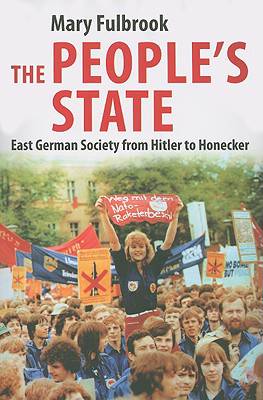
What was life really like for East Germans, effectively imprisoned behind the Iron Curtain? The headline stories of Cold War spies and surveillance by the secret police, of political repression and corruption, do not tell the whole story. After the unification of Germany in 1990 many East Germans remembered their lives as interesting, varied, and full of educational, career and leisure opportunities: in many ways perfectly ordinary lives. Using the rich resources of the newly-opened GDR archives, Mary Fulbrook investigates these conflicting narratives. She explores the transformation of East German society from the ruins of Hitler's Third Reich to a modernizing industrial state. She examines changing conceptions of normality within an authoritarian political system, and provides extraordinary insights into the ways in which individuals perceived their rights and actively sought to shape their own lives. Replacing the simplistic black-and-white concept of totalitarianism by the notion of a participatory dictatorship, this book seeks to reinstate the East German people as actors in their own history.
Specificaties
Betrokkenen
- Auteur(s):
- Uitgeverij:
Inhoud
- Aantal bladzijden:
- 352
- Taal:
- Engels
Eigenschappen
- Productcode (EAN):
- 9780300144246
- Verschijningsdatum:
- 1/11/2008
- Uitvoering:
- Paperback
- Formaat:
- Trade paperback (VS)
- Afmetingen:
- 155 mm x 231 mm
- Gewicht:
- 635 g


Alleen bij Standaard Boekhandel
+ 156 punten op je klantenkaart van Standaard Boekhandel
Cadeau

AANGERADEN


Beoordelingen
We publiceren alleen reviews die voldoen aan de voorwaarden voor reviews. Bekijk onze voorwaarden voor reviews.