


- Afhalen na 1 uur in een winkel met voorraad
- Gratis thuislevering in België vanaf € 30
- Ruim aanbod met 7 miljoen producten
- Afhalen na 1 uur in een winkel met voorraad
- Gratis thuislevering in België vanaf € 30
- Ruim aanbod met 7 miljoen producten




Omschrijving
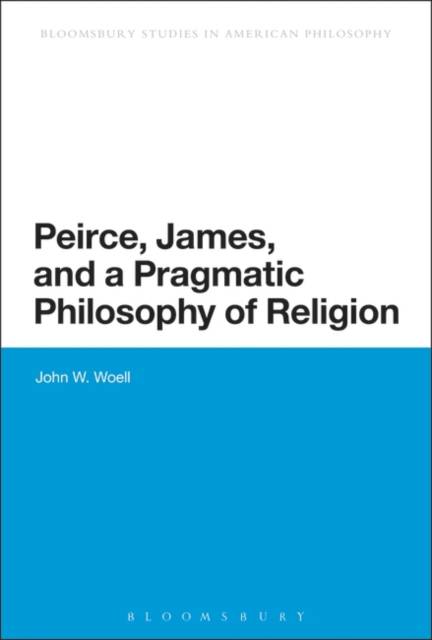
In this book, John W. Woell shows us how contemporary readings of American Pragmatism founded on mistakenly used categories of the Analytic tradition have led to misreadings of Peirce and James. By focusing on terms drawn largely from Descartes and Kant, contemporary debates between metaphysical realists, antirealists, Realists and Nonrealists, have, argues Woell, failed to shed great light on pragmatism in general and a pragmatic philosophy of religion in particular.
Woell contends that paying close attention to the internal relationships among inquiry, belief, and their objects in the respective works of Peirce and James provides a means for fully appreciating pragmatism's richness as a resource for philosophy of religion. By taking account of a pragmatic point of view in philosophy of religion, this book incites a more productive discussion of the metaphysical status of religious objects and of the epistemic status of religious belief.Specificaties
Betrokkenen
- Auteur(s):
- Uitgeverij:
Inhoud
- Aantal bladzijden:
- 224
- Taal:
- Engels
- Reeks:
Eigenschappen
- Productcode (EAN):
- 9781472524133
- Verschijningsdatum:
- 23/01/2014
- Uitvoering:
- Paperback
- Formaat:
- Trade paperback (VS)
- Afmetingen:
- 156 mm x 234 mm
- Gewicht:
- 317 g


Alleen bij Standaard Boekhandel
+ 179 punten op je klantenkaart van Standaard Boekhandel
Cadeau

AANGERADEN


Beoordelingen
We publiceren alleen reviews die voldoen aan de voorwaarden voor reviews. Bekijk onze voorwaarden voor reviews.